Tag
#Upsc Governance
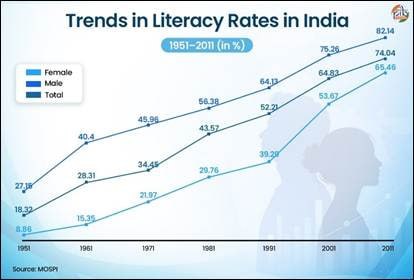
Literacy for All: India’s Journey Towards Viksit Bharat
The literacy rate in India increased from 18.32 per cent in 1951 to 81.1 per cent in PLFS 2025. Issues of adult literacy and foundational learning are addressed by NEP 2020, ULLAS, and NIPUN Bharat. Yet there are disparities on the basis of region, gender, and the digital divide. India needs to go beyond just literacy towards competence and learning.
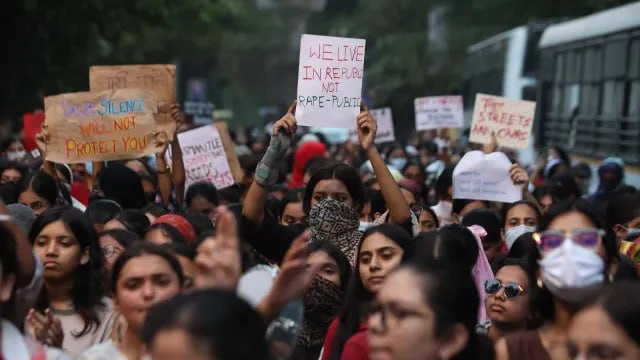
Women’s Safety: Bridging the Gap Between Policy and Action
The Nirbhaya Fund, women’s helplines, special courts, and safety audits post-2012 are some of the mechanisms that have been put in place to make India’s institutions more conducive to the security of women. Nevertheless, there is still disjointed governance, poor accountability, inadequate infrastructure, and lack of outcomes measurement. Policies in the future should ensure outcomes, accountability, gender-sensitive urban development, and increased involvement of women.
India’s NGOs at a New Funding Crossroads
The draft FCRA Amendment Bill 2026 proposes provisional vesting and disposal of assets of deregistered NGOs, raising concerns over financial autonomy, welfare institution disruption, and civil society space. Balancing national security and transparency with legitimate charitable activity is essential. Way forward: clear asset rules, funding diversity through domestic philanthropy, CSR, retail giving, and stakeholder consultation.
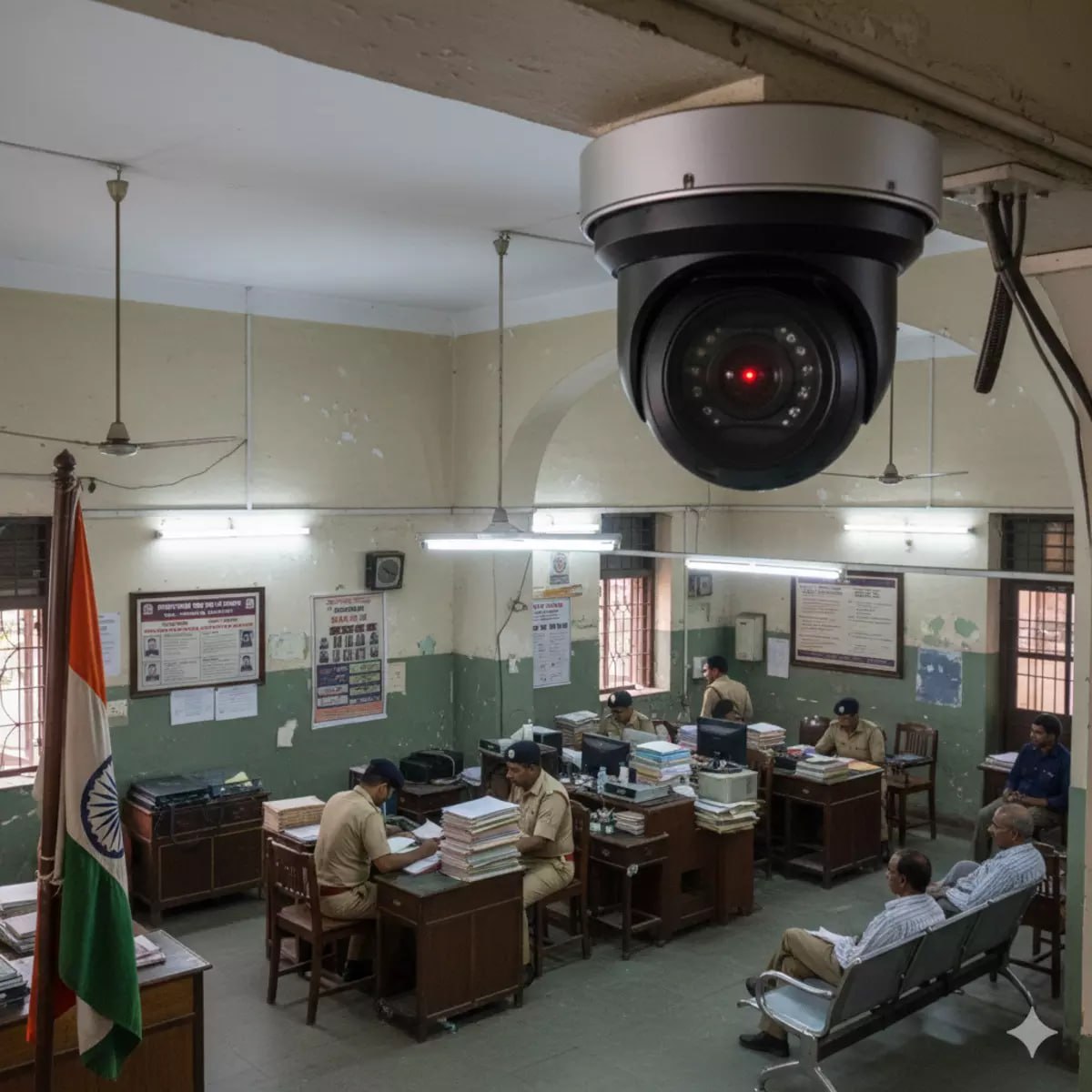
Implementing ₹24,000-crore scheme to modernise police, Centre tells Supreme Court
Centre announces ₹24,000-crore Police Modernisation Mission over five years for State and Central police forces. Supreme Court was informed amid concerns over non-functional CCTV cameras. Challenges: fund underutilisation, maintenance gaps, manpower shortage, and lack of police reforms. Success depends on outcome-based funding, lifecycle maintenance, reforms, and citizen-centric accountability.