Topic
Science & Tech
Latest UPSC current affairs on Science & Tech for Prelims and Mains.
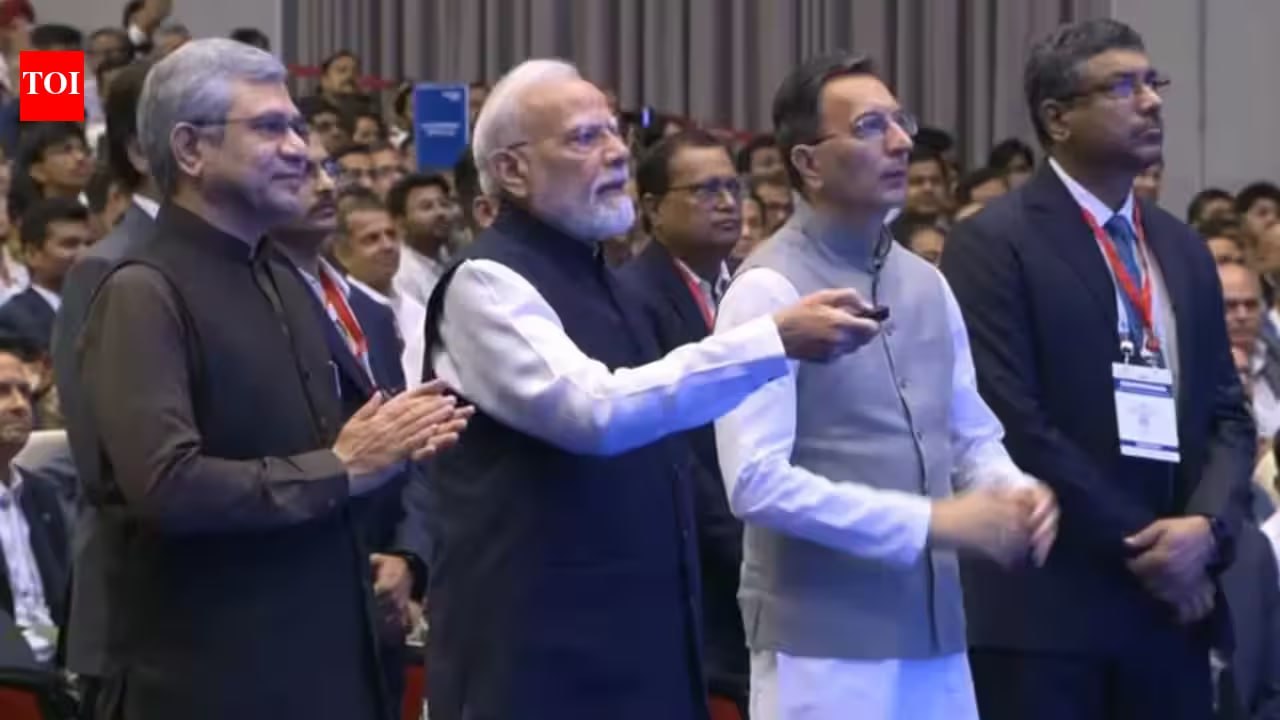
PM Modi Pitches India as Global Chipmaking Destination
India has unveiled its Semiconductor Mission 2.0 with an allocation of ₹1.27 lakh crore to make itself a world-class semiconductor manufacturing hub focusing on value chain aspects including design, manufacturing, testing, equipment, material and R&D. India has plans to develop 200+ chip design startups and 1 lakh skilled technicians. The investments made by global companies like Applied Materials, Micron and Infineon will give more hopes to India.
Europe’s AI rules may become India’s opportunity
The Government of India has been looking into separate legislation on Artificial Intelligence (AI). On the other hand, the EU’s AI Act, which came into effect from August 2024 and became applicable from August 2, 2026, is all set to shape the global AI value chain. The Act adopts a risk-based approach whereby certain AI systems have been prohibited, high-risk AI systems have been regulated, and lighter scrutiny has been provided for limited-risk uses. Though Indian companies understand that the Act will be applicable in every situation when the result of their AI system is produced in Europe, the more relevant story lies beyond the compliance aspect. This article discusses how the EU’s AI Act can create new possibilities for India’s tech and professional services sector. It focuses on the challenges in compliance created by the risk-based approach in the AI Act, especially for customised and adaptive IT services in India, while discussing possibilities in AI compliance, conformity assessment, and service exports.
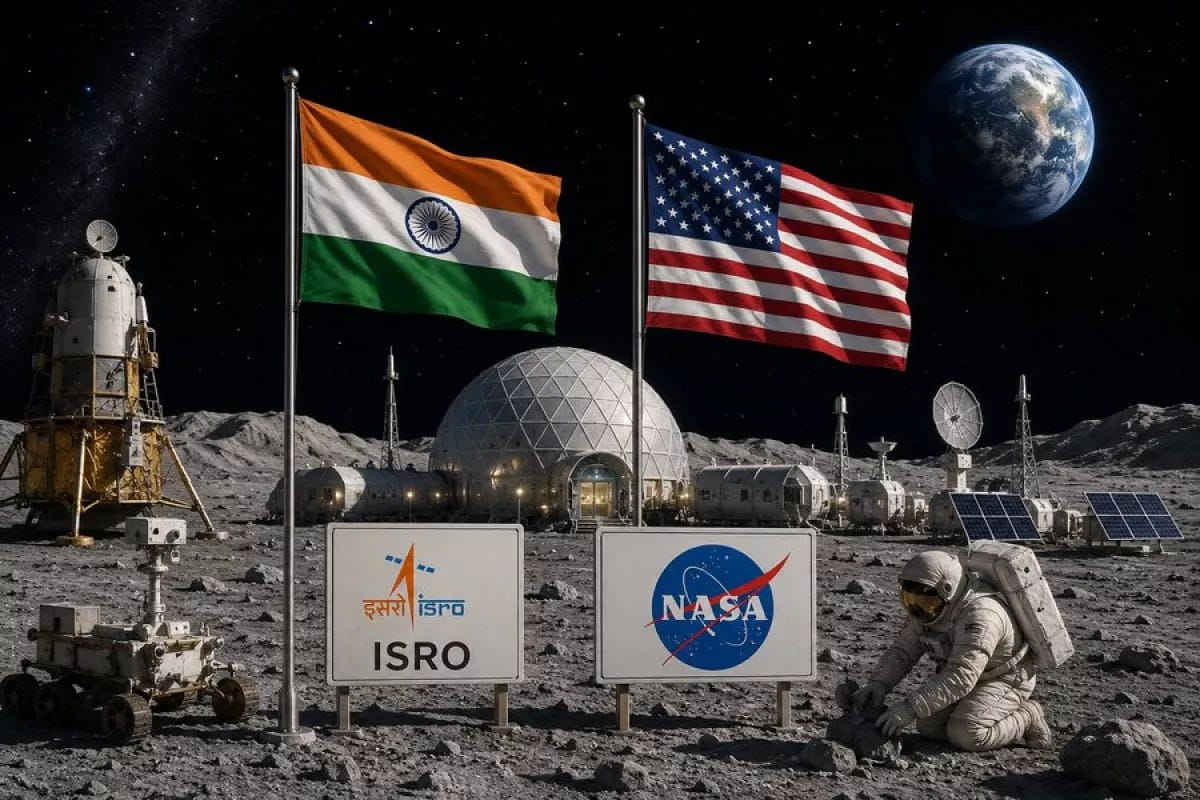
NASA Invites ISRO to Join Mission for Lunar Outpost
The NASA lunar base project near the South Pole of the Moon included ISRO, and this has led to increased cooperation between India and the US in the space sector. This project could help India in human space exploration, lunar technologies, science, and space diplomacy. But it is accompanied by several problems, including cost, environmental conditions, and resource management.
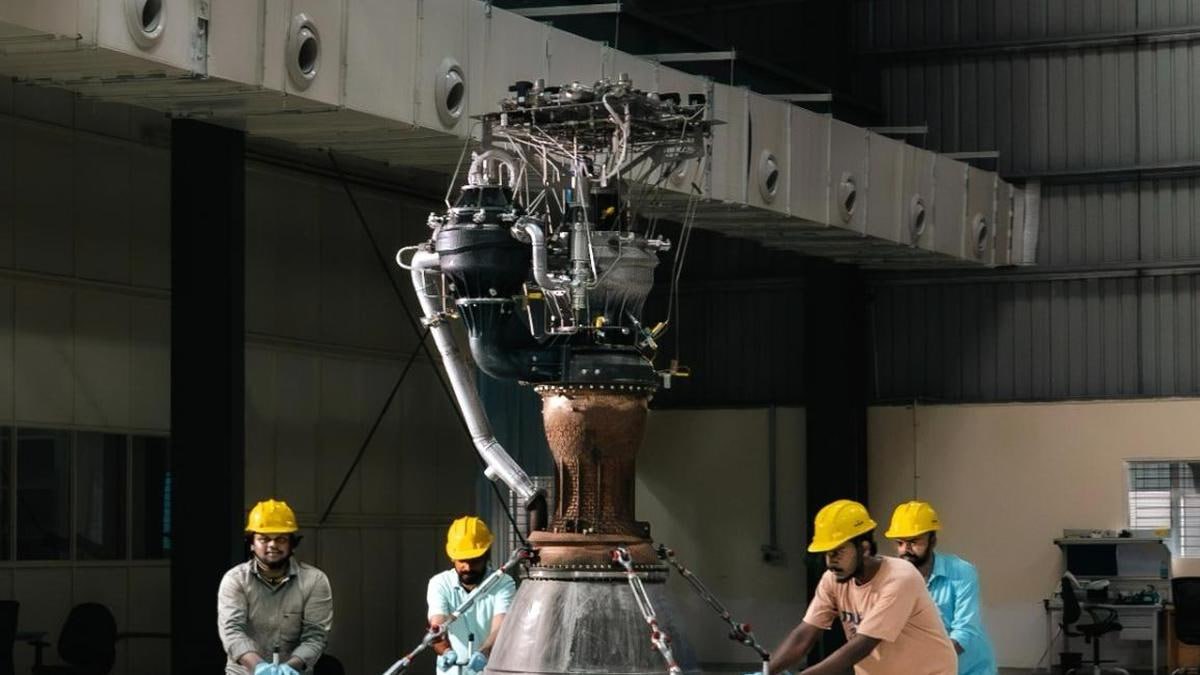
India’s First Privately-Built FFSC Rocket Engine Signals New Dawn
India’s first-ever private EVEREST FFSC LOX-methane engine is a big step forward for the Indian private sector in space propulsion. The engine provides high efficiency and reusability due to its 800 kN thrust. This new development of India, with help from IN-SPACe and the India Space Policy 2023, can be useful in increasing indigenous propulsion, heavy lift, and reusability capability.

New Real-Time Portal for Organ Transplants Launched
The NOTTO Real-Time Organ Transplantation portal brings forth a consolidated national wait list, facilitates real-time organ distribution, helps to facilitate national donation swaps, and enhances the transparency and effectiveness of transplantations. The tool promotes Digital Health governance but needs higher organ donor rates, participation of states on an equal footing, advanced hospital infrastructure, and public education to succeed.

The next DPI — how India can commoditise AI
India has proposed an expansion of the successful DPI concept into Artificial Intelligence through the establishment of low-cost AI computing, foundation models, and a Unified Intelligence Interface (UII). AI can become an easily available public utility through the IndiaAI Mission and contribute to innovation, technological sovereignty, and inclusive development.

BS-III Vehicles May Need Modifications for E20 Fuel: Government
E20 is a fuel consisting of 20 per cent ethanol and 80 per cent petrol; it is available through India’s Ethanol Blended Petrol programme to reduce the country’s reliance on imported crude oil, mitigate pollution, and boost renewable energy production. It can be used in BS-IV, BS-VI and E20-compatible vehicles, but older BS-III vehicles need some rubber parts replaced.
Vikram-1: India's First Private Rocket Reaches Orbit
Skyroot Aerospace's Vikram-1 lifted off from Sriharikota on 18 July 2026 and reached a 450 km low Earth orbit, making India the third country with private orbital launch capability. Complete UPSC analysis of the vehicle, Mission Aagaman payloads, ISRO and IN-SPACe support, and India's space sector reforms.

CDSCO Approves India's First Dengue Vaccine
India is the first country to give approval for the world’s first dengue vaccine called QDENGA (TAK-003). It is a two-shot vaccine that can help protect against all four dengue serotypes without screening. Even though it will enhance the prevention of dengue disease, it will only succeed if it is made accessible to all.

India’s First Hydrogen-Powered Train: Green Rail Mobility
The Indian Railways will bring India’s first hydrogen-powered train to run on the Jind-Sonipat line in Haryana. This train is developed by Indians, using hydrogen to produce electricity. The exhaust produced is just water vapour. It supports India’s National Green Hydrogen Mission and its Net Zero target.

ISRO Conducts Key Component Test for Gaganyaan Mission
The SOLVE Solid Motor for the Gaganyaan mission developed by ISRO has been test-fired successfully. The SOLVE is used to carry the crew module up to a height of 10-17 kilometres for conducting the Integrated Parachute Test. The SOLVE was derived from the PSLV strap-on motor.

Vikram-1: India’s First Privately Developed Orbital Rocket
Vikram-1 is an orbital launch vehicle developed by Skyroot Aerospace and is the first orbital launch vehicle built privately in India. The first launch of Vikram-1, called Mission Aagaman (from 12 July to 4 August 2026), is a milestone for the commercial space industry of India.

Government Asks WhatsApp to Put Username Feature on Hold
The government has asked WhatsApp to pause its proposed username feature over concerns about spam, phishing, impersonation, and digital fraud. While the feature aims to improve privacy by hiding phone numbers, authorities seek stronger safeguards, consultations, and regulatory compliance to balance user privacy, cybersecurity, innovation, and accountability before rollout.