Background
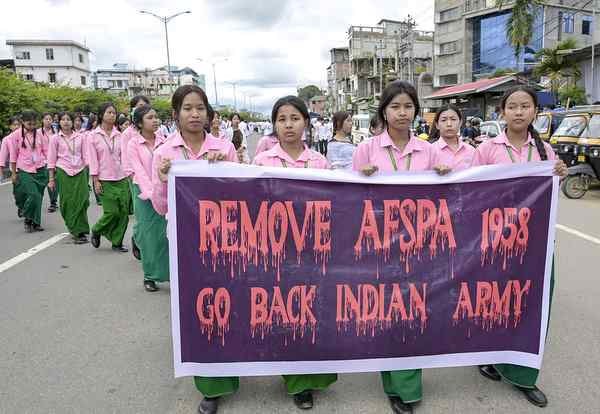
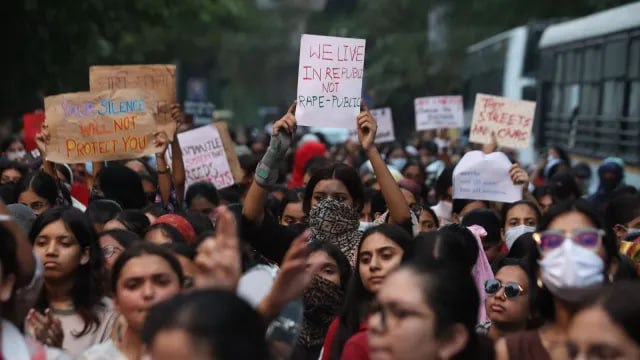
The NEET-UG controversy triggered widespread student protests over allegations of paper leaks and irregularities in the examination process.
During the protests:
FIRs were registered against several persons.
Petitioners argued that peaceful student protesters were being subjected to criminal proceedings.
They also alleged excessive use of force and misconduct by police personnel.
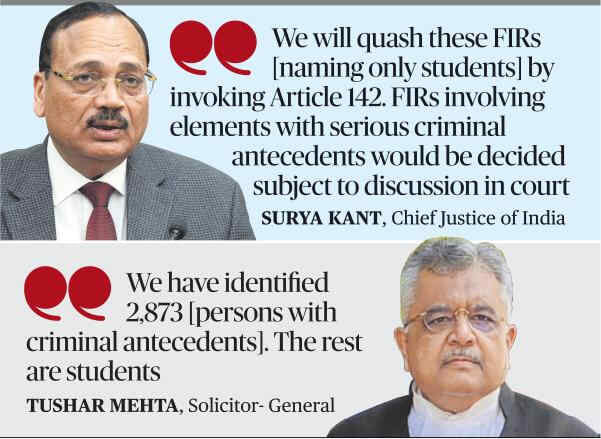
The Centre/Delhi Police maintained that the investigation would focus on 2,873 persons identified as having serious criminal backgrounds.
The petitioners, however, alleged that the police had not provided a complete list of FIRs or their numbers.
Constitutional Framework
Article 142 – Complete Justice
Article 142 empowers the Supreme Court to pass orders necessary for doing “complete justice” in any case or matter pending before it.
Its significance in this case is that the Court may use this exceptional constitutional power to quash FIRs against eligible student protesters, rather than requiring every individual to approach courts separately.
Article 142 is a power of the Supreme Court, not the High Courts.
Article 19 – Right to Protest
The Court referred to Article 19, particularly the freedoms of:
Speech and expression - Article 19(1)(a)
Peaceful assembly without arms - Article 19(1)(b)
However, these rights are not absolute. The State can impose reasonable restrictions on grounds specified in Article 19.
Peaceful protest is constitutionally protected, but violence and criminal acts are not protected merely because they occur during a protest.
Balance Between Rights and Public Order
The case highlights the constitutional balance between:
Individual liberty + right to dissent VS Public order + prevention of crime
The Court's approach indicates that the mere presence of a person at a protest should not automatically result in criminal prosecution if there is no evidence of criminal conduct.
Features
Distinction between protesters and criminals
The Court emphasised that there should be a clear distinction between:
Students participating peacefully in protests.
Persons with serious criminal antecedents involved in violence.
Article 142 as an exceptional remedy
The proposed quashing of FIRs demonstrates the Court's willingness to use Article 142 where ordinary legal remedies may not adequately address the situation.
High-powered committee
The Court proposed a committee to examine various issues related to the protests and sought suggestions from the parties regarding its terms of reference.
Alleged police misconduct
The Court also indicated that allegations concerning police personnel allegedly molesting women protesters should be urgently examined.
Institutional trust
The CJI emphasised that students and their families have legitimate expectations from the education and legal system. Protecting innocent students is therefore linked to public confidence in institutions.
Challenges
Identifying genuine protesters: It may be difficult to separate peaceful protesters from individuals involved in violence.
Misuse of criminal law: Broad or indiscriminate FIRs can have long-term consequences for students' education and careers.
Public-order concerns: Authorities have a legitimate responsibility to prevent violence and damage to public property.
Article 142 concerns: Frequent or excessively broad use of Article 142 could raise questions about judicial overreach.
Accountability of police: Allegations of excessive force or misconduct require credible, independent investigation.
Precedent: A major question is whether such mass quashing of FIRs should remain an exceptional, fact-specific measure or become a precedent for future protests.
Way Forward
Differentiate peaceful protesters from offenders through evidence-based investigation.
Avoid blanket criminalisation of legitimate dissent.
Ensure that restrictions on protests satisfy the requirements of reasonableness and proportionality.
Establish independent mechanisms for investigating allegations of police misconduct.
Provide greater transparency regarding FIRs and arrests.
Use Article 142 cautiously, keeping it confined to exceptional circumstances.
Develop clearer protocols for managing large-scale student protests while protecting constitutional freedoms.
Strengthen institutional mechanisms for addressing examination irregularities so that protests do not become the only avenue for students to seek accountability.
Conclusion
This case illustrates one of the important principles of the Constitution that states that democracy protects not only those who agree with the actions of the government but also those who disagree with it peacefully. However, at the same time, the right of protest cannot give any kind of protection against criminal actions. It is what the suggested Supreme Court decision attempts to achieve.