Tag
#Upsc International Relations

Does a Visa Guarantee Entry into India? Explained
The Delhi High Court ruled that a valid visa does not guarantee entry into India. Under the Immigration and Foreigners Act, 2025, the State can refuse admission on grounds such as national security, sovereignty, public order and public health. Foreigners enjoy Article 21 protection, but not Article 19(1)(e) rights.
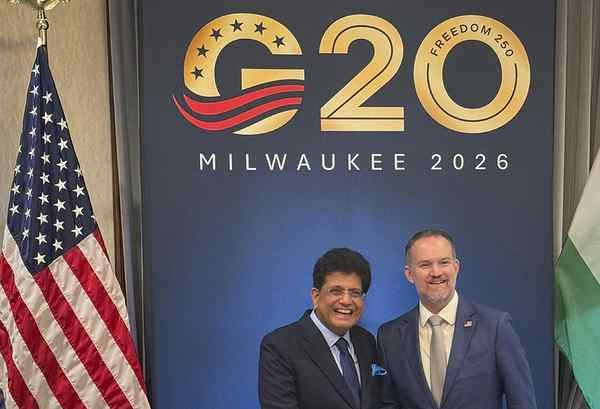
India Has No Excess Capacity, Bans Forced-Labour Imports
India dismissed the claim of structural excess capacity made by the U.S., arguing that the country’s manufacturing is based on demand, both domestic and international. It also highlighted its commitment to prohibiting forced labour and banning the import of forced labour products, as per its constitution and ILO rules.
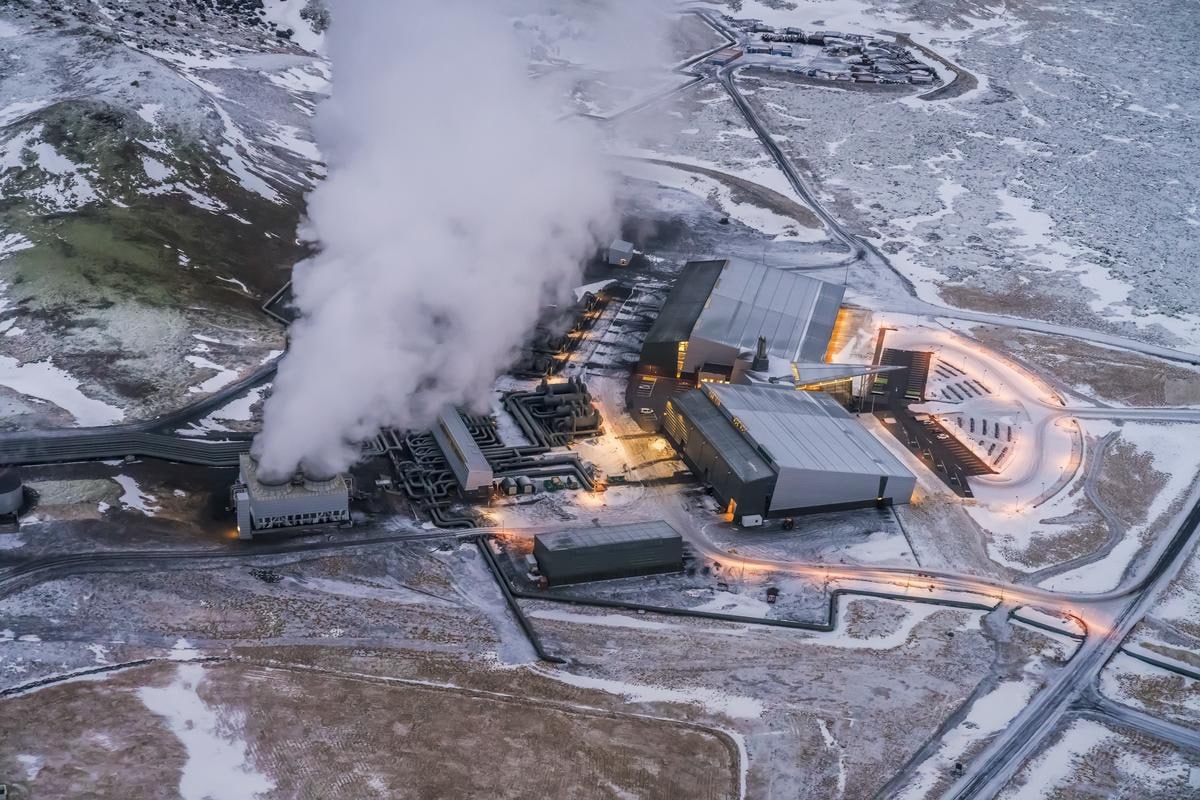
India-EFTA Partnership: One Plus One Equals Three
The India–EFTA Trade and Economic Partnership Agreement (TEPA), which came into effect on 1 October 2025, is not only about reducing tariffs but also covers aspects like trade, investment, job creation, and technology cooperation. The proposed $100-billion investment over 15 years by EFTA can assist in industrial development. Iceland provides experience in areas like geothermal energy, carbon capture and utilisation and storage, e-fuels, and fisheries; cooperation will enhance India’s involvement in the Arctic region.
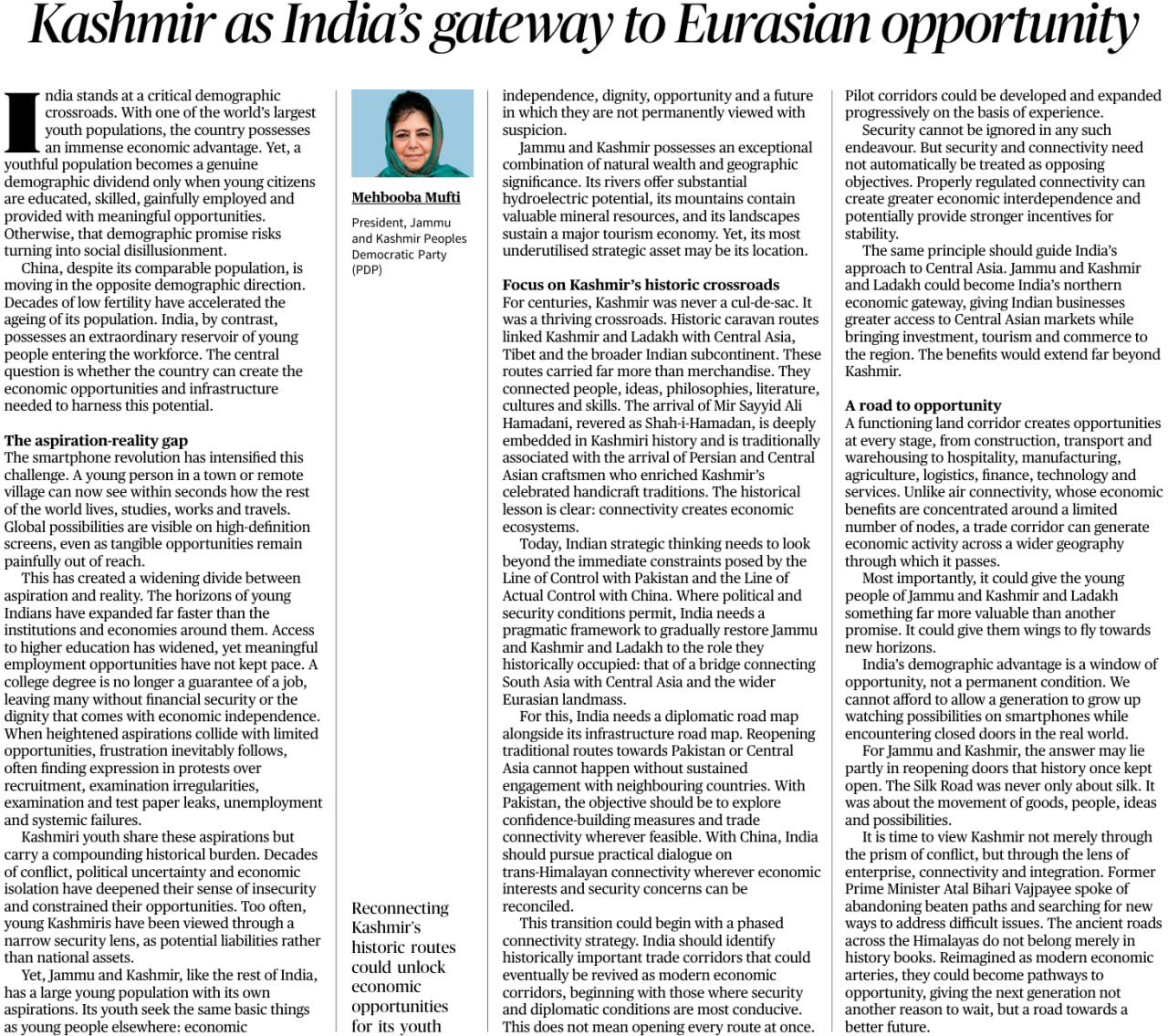
Kashmir as India’s Gateway to Eurasian Opportunity
Re-establishing Kashmir’s traditional link with Central Asia will provide scope for activities such as trading, tourism, logistics, and jobs, especially for the youth. But issues related to security, cross-border terrorism, land disputes, and rivalry between India and China will pose major obstacles in achieving this economic potential.
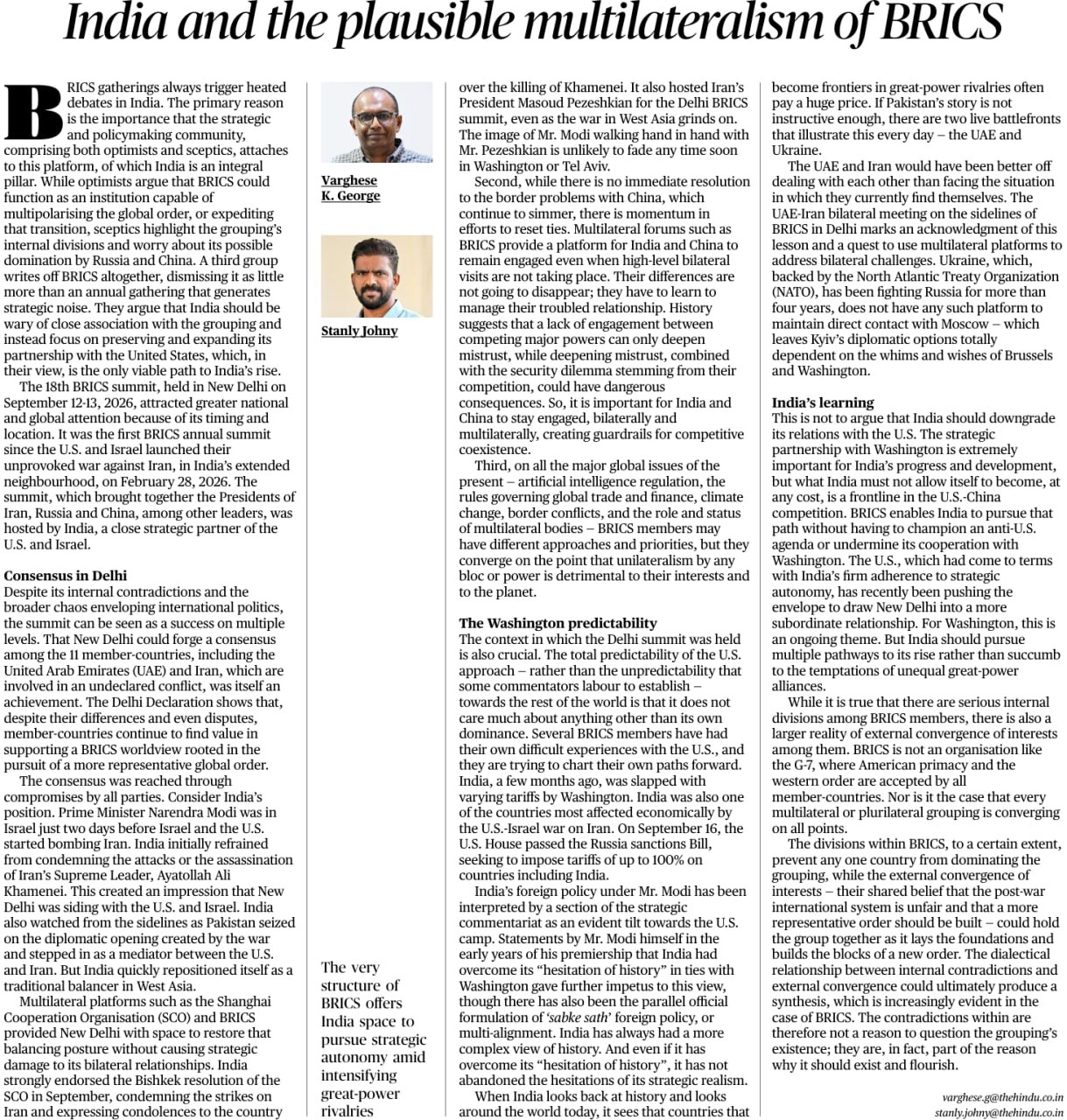
India and the Plausible Multilateralism of BRICS
BRICS offers India an opportunity for strategic autonomy, handling Chinese irritations, Global South inclusion and multipolarity. While there are contradictions, lack of institutions, and different interests, issue-specific cooperation is not without merit. India must refrain from forming hard blocks, maintain a balanced relationship with the US, Russia and other countries, and ensure BRICS effectiveness.
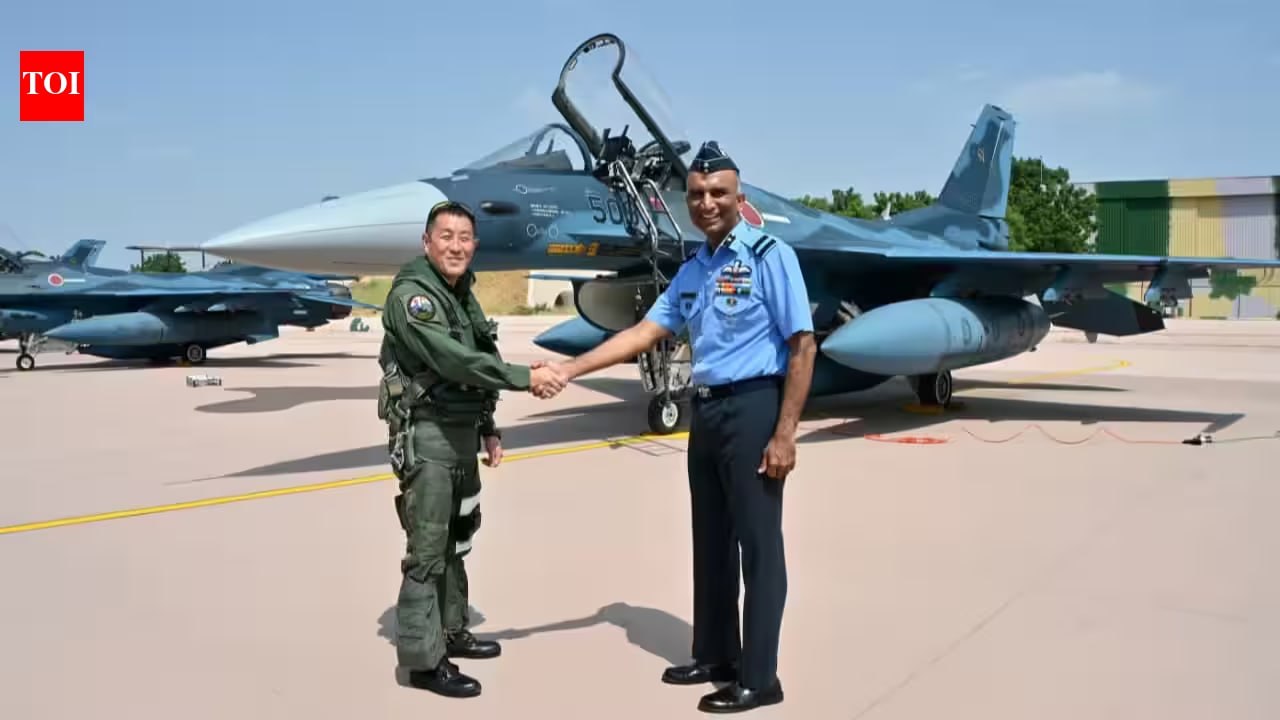
India-Japan Air Exercise Veer Guardian 2026 Begins
Exercise Veer Guardian 2026 was a two-week-long bilateral exercise held by IAF and JASDF in Jodhpur. This was aimed at training in within-visual-range combat, multi-aircraft coordination, operational learning, and interoperability. The involvement of Su-30MKI, Rafale, LCA Tejas, and the Japanese F-2A has enhanced defence cooperation and strategic partnership between India and Japan.
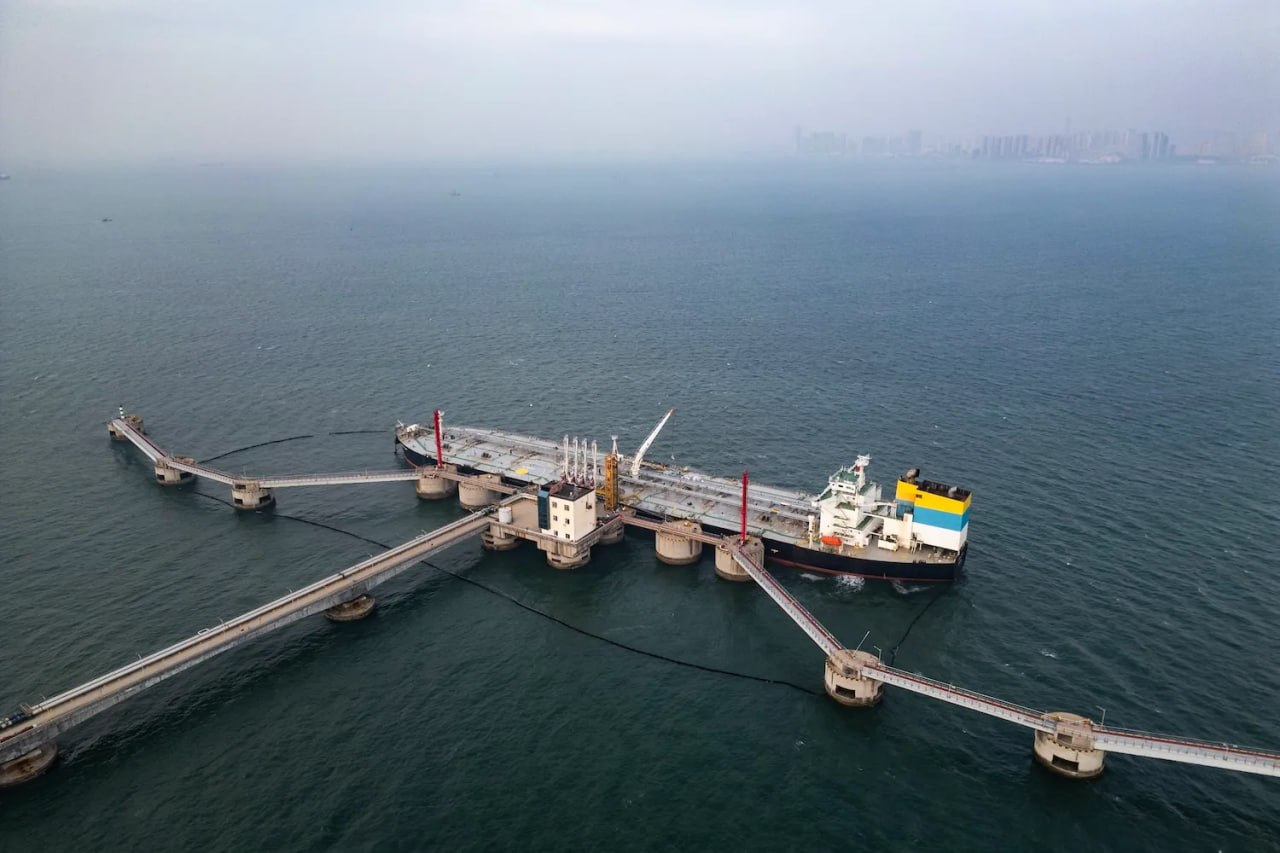
Malacca-Singapore Model for Resolving Hormuz Crisis
Malacca-Singapore example proves that littoral nations can strike a balance between their territorial sovereignty and free flow of navigation through cooperation, transit passage, and use of common maritime facilities. It is hard to apply the same logic for the Hormuz Strait due to Iran’s security considerations, non-ratification of UNCLOS and rivalry.
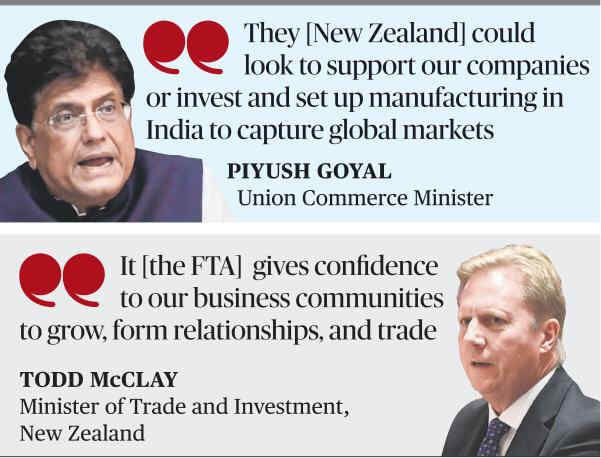
India-New Zealand FTA to Take Effect on October 20
India-NZ FTA, which is valid from October 20, is aimed at increasing bilateral trade twofold to reach ₹35,000 crore in 4-5 years. New Zealand offers duty-free access for products made in India, whereas India safeguards its sensitive industries such as dairy and agriculture.
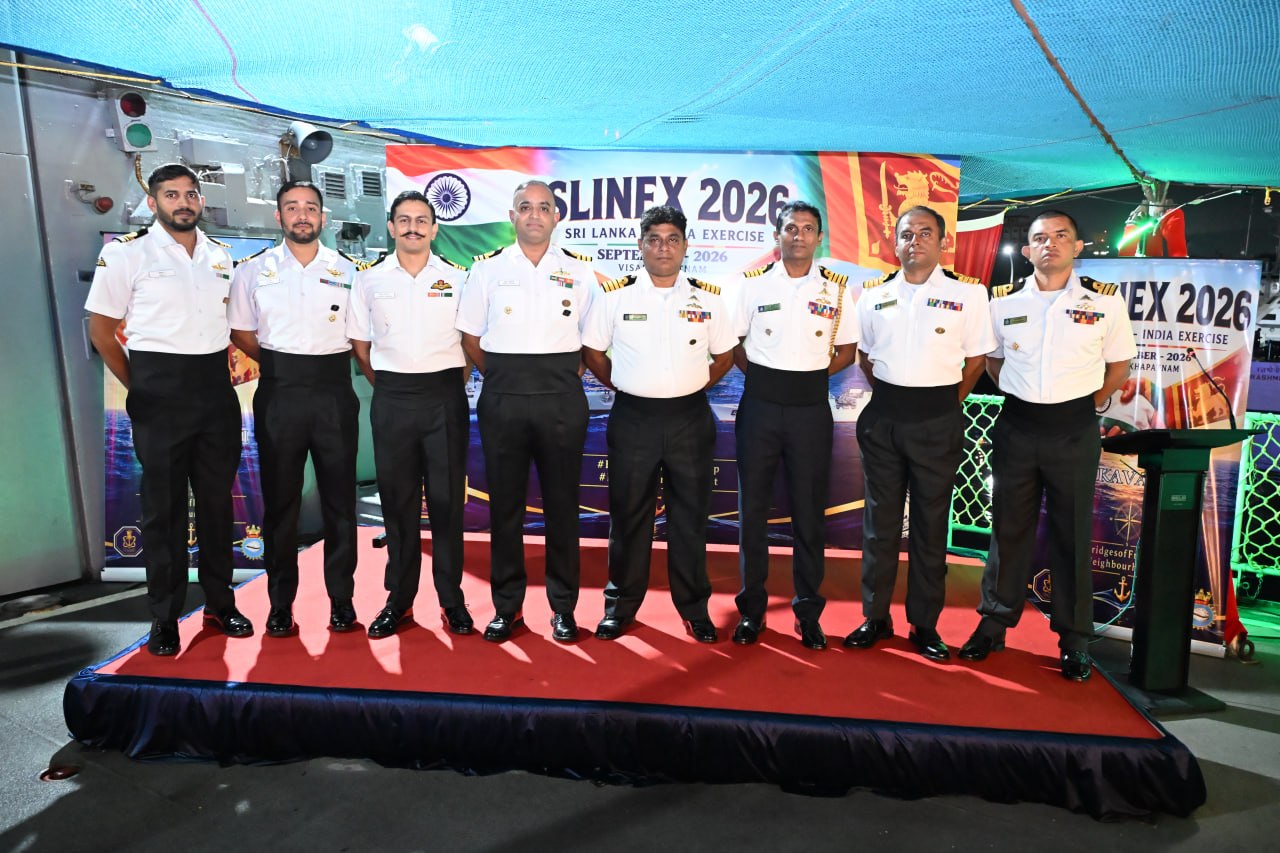
SLINEX-26: India-Sri Lanka Maritime Exercise 2026
The India-Sri Lanka bilateral exercise SLINEX-26, which will be the 13th such exercise between the two countries, takes place in Visakhapatnam from 17 to 21 September 2026, involving INS Kavaratti, INS Jyoti, and SLNS Sindurala.
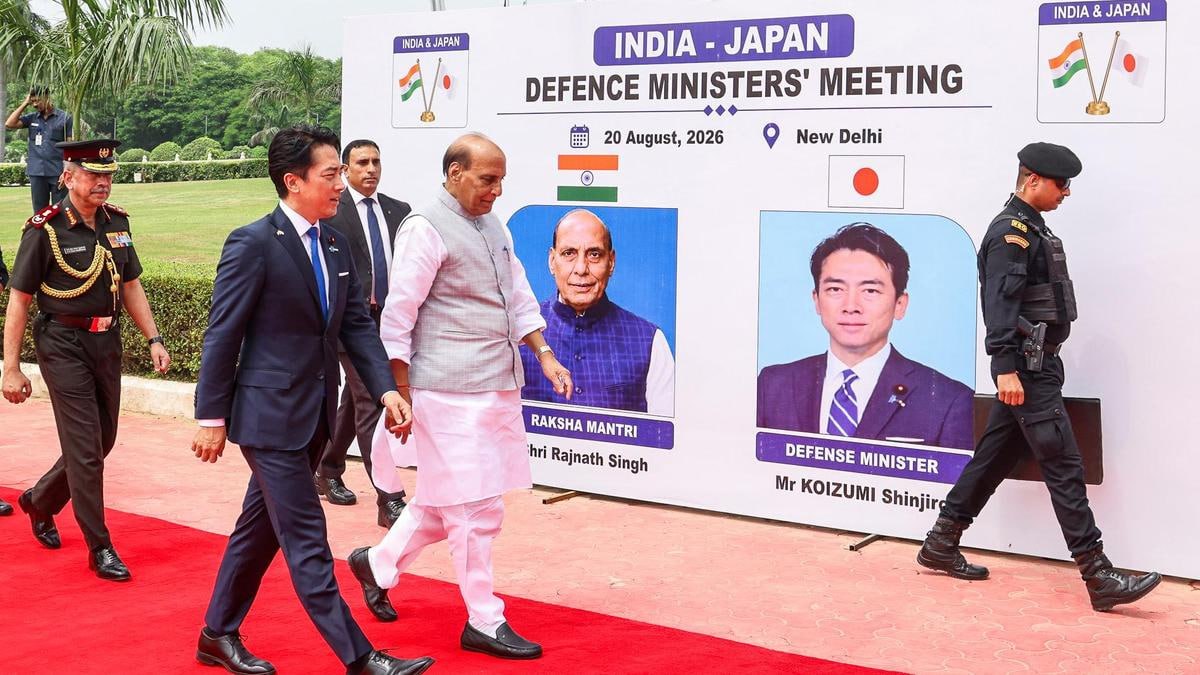
India–Japan Defence Cooperation Breaks New Ground
Indian-Japanese defence cooperation moves ahead with August 2026 ministerial visit, with emphasis on MDA, joint shipbuilding, UNICORN technology, and advanced drills. Partnership goes from convergence to capability. Obstacles: implementation gap, technology transfer, and interoperability.
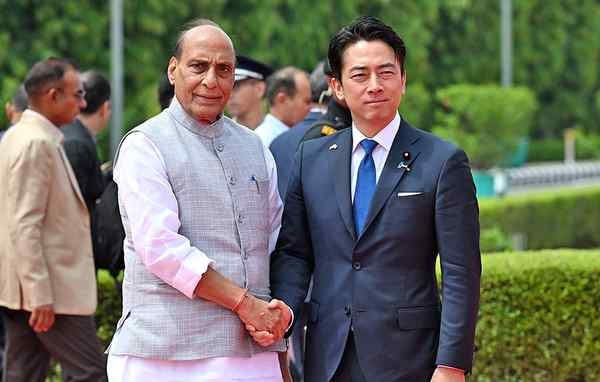
India-Japan Sign Maritime Security Pact to Boost Defence Cooperation
India and Japan signed the Maritime Security MOA to boost defence cooperation via enhanced Maritime Domain Awareness, information sharing, joint exercises, logistics, ship maintenance, Humanitarian Assistance Disaster Relief (HADR), and defence technology cooperation (UNICORN). This agreement will help in promoting FOIP, securing Sea Lines of Communication (SLOCs), and using Japan’s technology with India’s ship-building capabilities under Make in India.
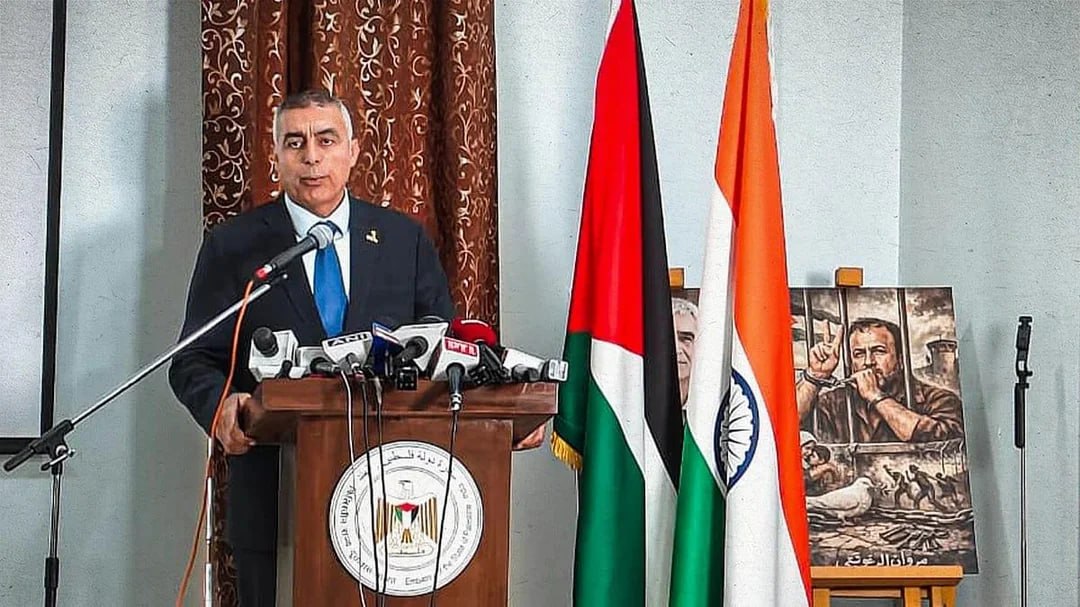
Palestine Backs India’s Bid for UN Security Council Seat
Palestinian backing of India’s campaign to become a member of the UNSC for 2028-29 is going to bolster India’s diplomatic standing and is reflective of increasing cooperation between the countries. India’s foreign policy follows a de-hyphenation approach wherein strategic relations are maintained with Israel even though India backs Palestinian statehood and the two-state solution approach.