Monthly Current Affairs
September 2026 Current Affairs
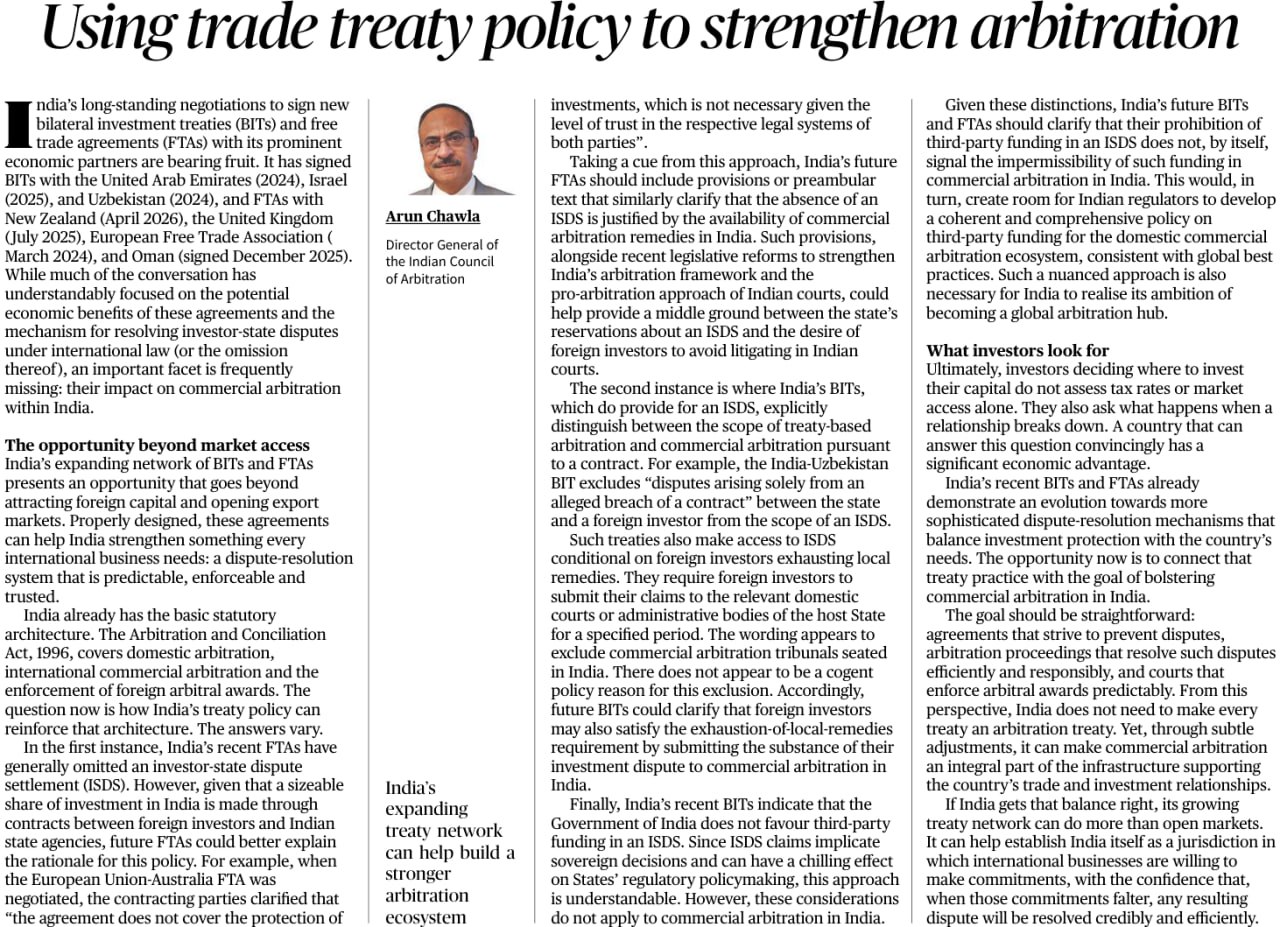
Using Trade Treaty Policy to Strengthen Arbitration
India may make use of BITs and FTAs to enhance its domestic commercial arbitration framework while not relying heavily on the ISDS mechanism. India should consider making future treaties such that the distinction between contractual and treaty disputes is clear, and India’s arbitration process should be accepted as a valid dispute resolution method. Third-party funding must also be considered.
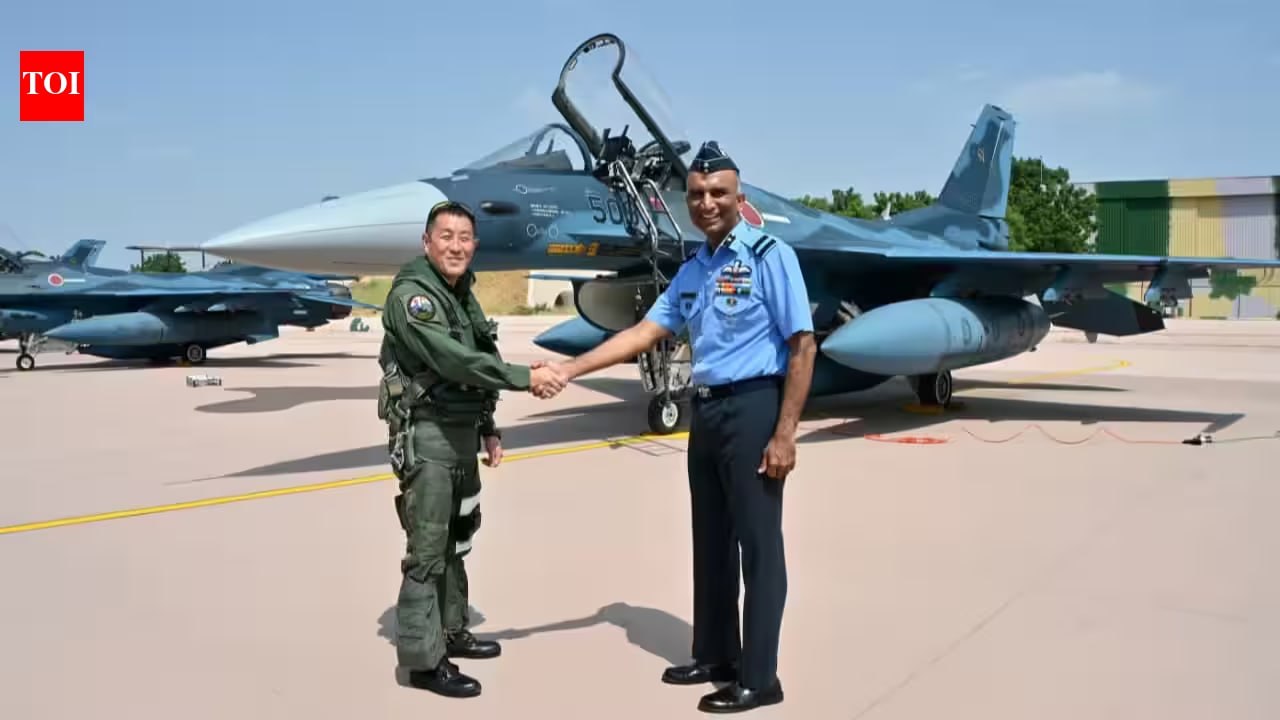
India-Japan Air Exercise Veer Guardian 2026 Begins
Exercise Veer Guardian 2026 was a two-week-long bilateral exercise held by IAF and JASDF in Jodhpur. This was aimed at training in within-visual-range combat, multi-aircraft coordination, operational learning, and interoperability. The involvement of Su-30MKI, Rafale, LCA Tejas, and the Japanese F-2A has enhanced defence cooperation and strategic partnership between India and Japan.
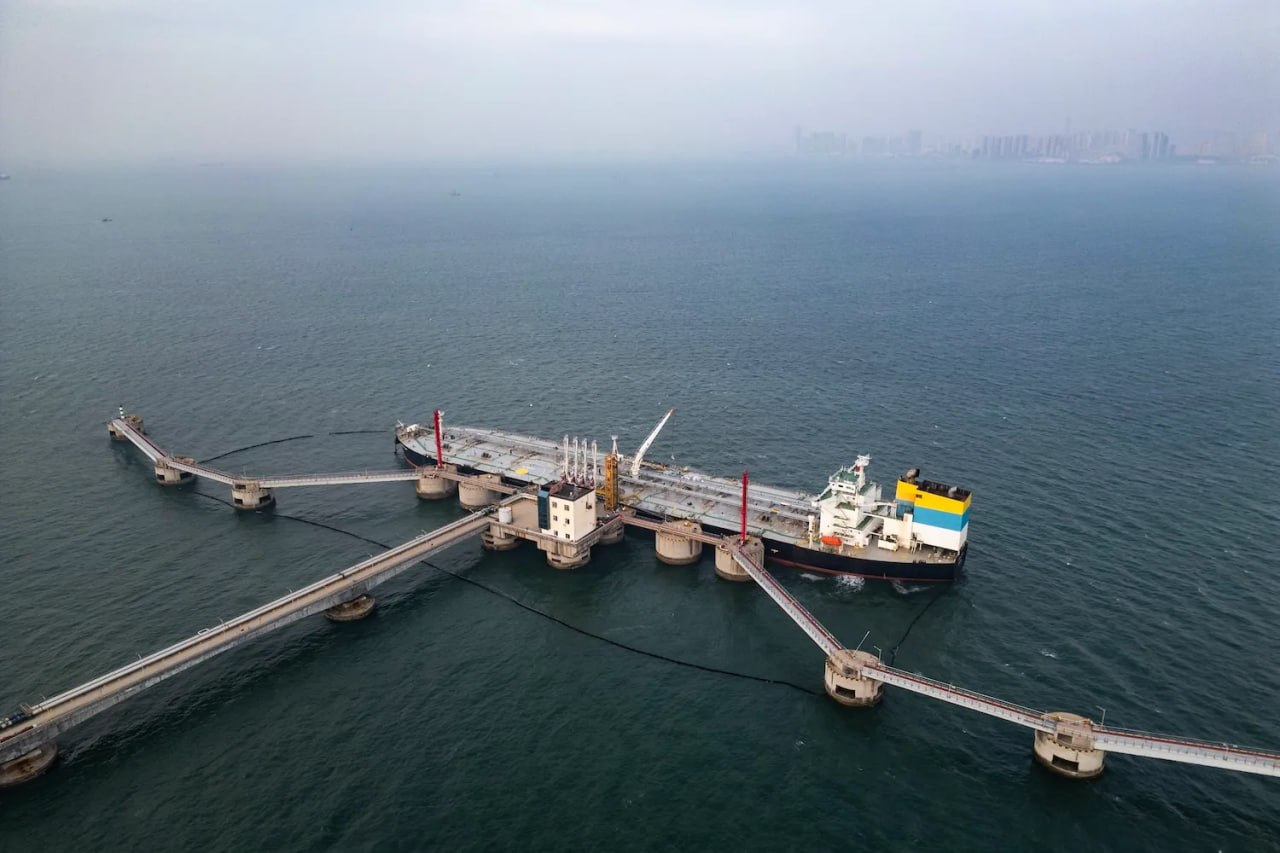
Malacca-Singapore Model for Resolving Hormuz Crisis
Malacca-Singapore example proves that littoral nations can strike a balance between their territorial sovereignty and free flow of navigation through cooperation, transit passage, and use of common maritime facilities. It is hard to apply the same logic for the Hormuz Strait due to Iran’s security considerations, non-ratification of UNCLOS and rivalry.
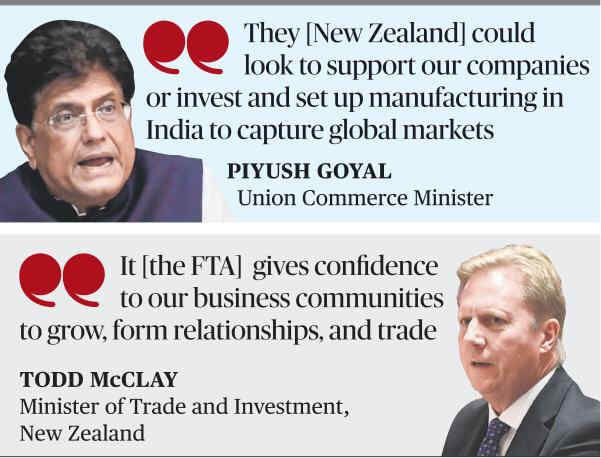
India-New Zealand FTA to Take Effect on October 20
India-NZ FTA, which is valid from October 20, is aimed at increasing bilateral trade twofold to reach ₹35,000 crore in 4-5 years. New Zealand offers duty-free access for products made in India, whereas India safeguards its sensitive industries such as dairy and agriculture.
India’s NGOs at a New Funding Crossroads
The draft FCRA Amendment Bill 2026 proposes provisional vesting and disposal of assets of deregistered NGOs, raising concerns over financial autonomy, welfare institution disruption, and civil society space. Balancing national security and transparency with legitimate charitable activity is essential. Way forward: clear asset rules, funding diversity through domestic philanthropy, CSR, retail giving, and stakeholder consultation.
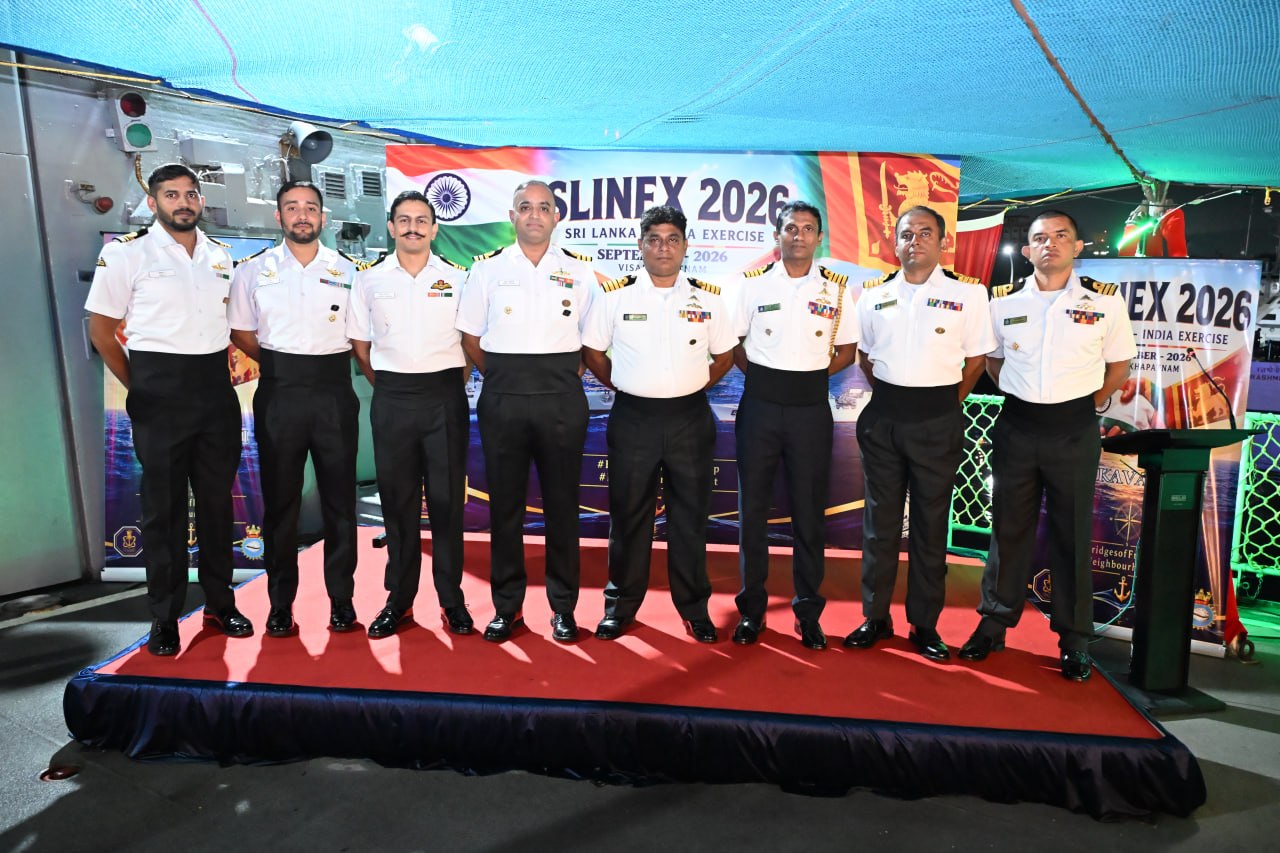
SLINEX-26: India-Sri Lanka Maritime Exercise 2026
The India-Sri Lanka bilateral exercise SLINEX-26, which will be the 13th such exercise between the two countries, takes place in Visakhapatnam from 17 to 21 September 2026, involving INS Kavaratti, INS Jyoti, and SLNS Sindurala.
NEET-UG May Shift to Computer-Based Test: Centre
The government plans to move from the traditional pen-and-paper to a computer-based test for NEET-UG in light of the 2026 scandal of leaking question papers, according to the recommendations of the task force headed by Nilekani. The Supreme Court insists that change should not only involve technology but also institutional stability, permanent staff of NTA, cybersecurity, and accountability.
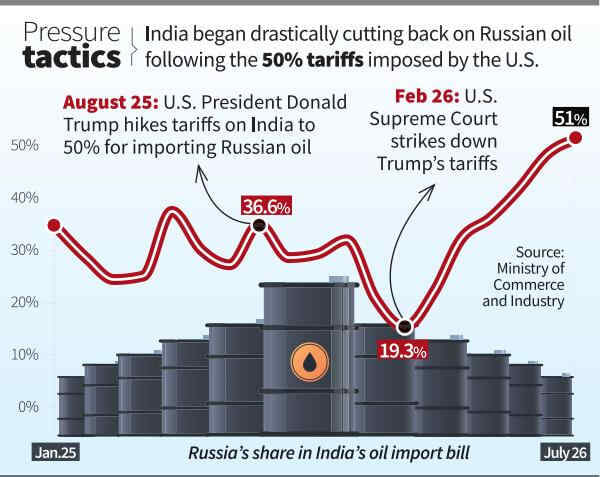
Indian Oil Imports Fall After U.S. Curbs, Data Show
The imports of oil by India from nations subject to sanctions have seen fluctuations due to U.S. influence; Venezuela and Iran fell to zero after sanctions. In July 2026, Russian imports stood above 51% after U.S. tariffs were ruled unconstitutional.
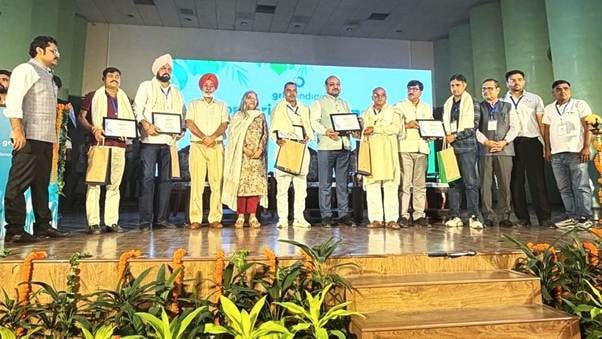
India’s First Soil Carbon Payments to Farmers
The first carbon payments scheme from India is called the "Aadi program" which provides ₹2.9 crore to more than 2,500 farmers in Punjab and Haryana states for using regenerative techniques such as direct-seeded rice and reduced tilling. Additional money through verified carbon credits (Verra VM0042) is being generated while saving water and reducing stubble burning.
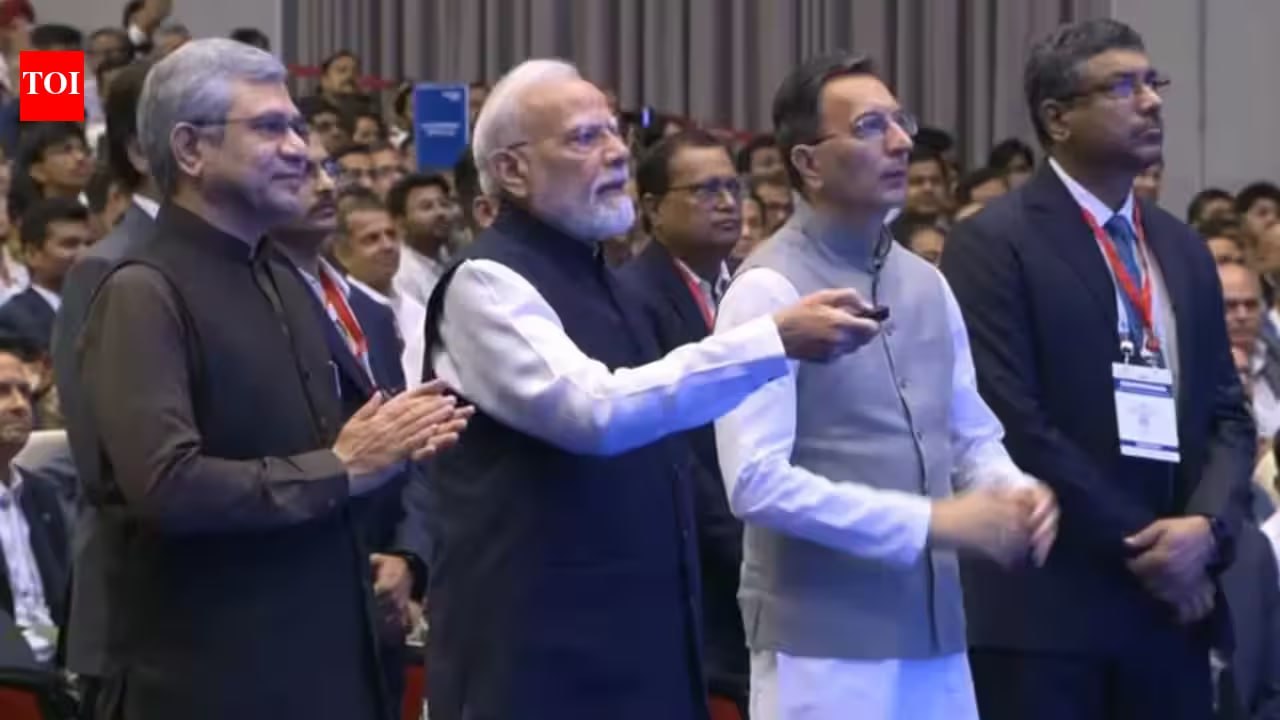
PM Modi Pitches India as Global Chipmaking Destination
India has unveiled its Semiconductor Mission 2.0 with an allocation of ₹1.27 lakh crore to make itself a world-class semiconductor manufacturing hub focusing on value chain aspects including design, manufacturing, testing, equipment, material and R&D. India has plans to develop 200+ chip design startups and 1 lakh skilled technicians. The investments made by global companies like Applied Materials, Micron and Infineon will give more hopes to India.
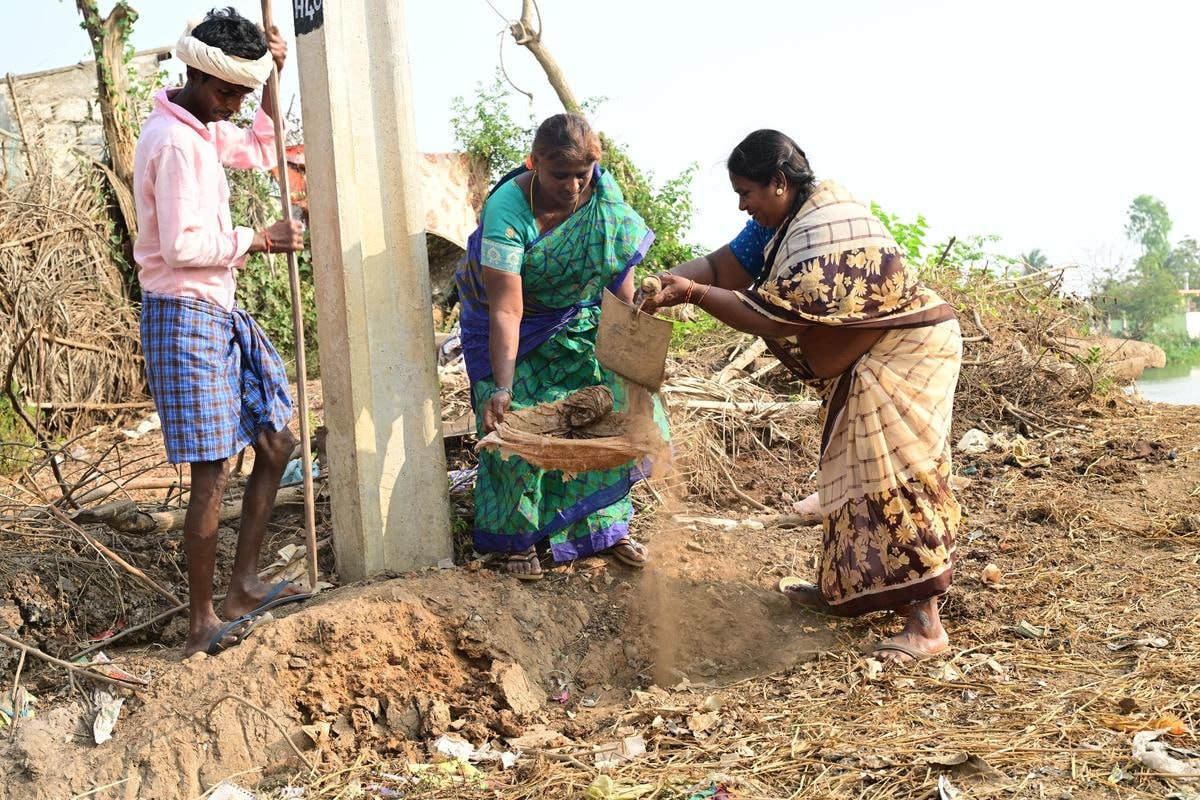
VB-G RAM G Scheme Trails MGNREGS by 9% in August
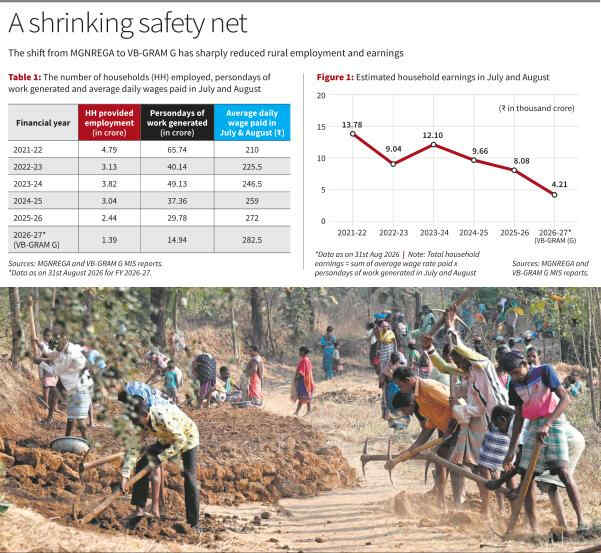
The employment rate for VB-G RAM G decreased by 9.01% in August 2026 compared to August 2025, and the person-days between July and August decreased by 32.13% in comparison to MGNREGS 2025. The project has agricultural planning with a 60-day window break from farming activities, and the government states that it is too short to decide.
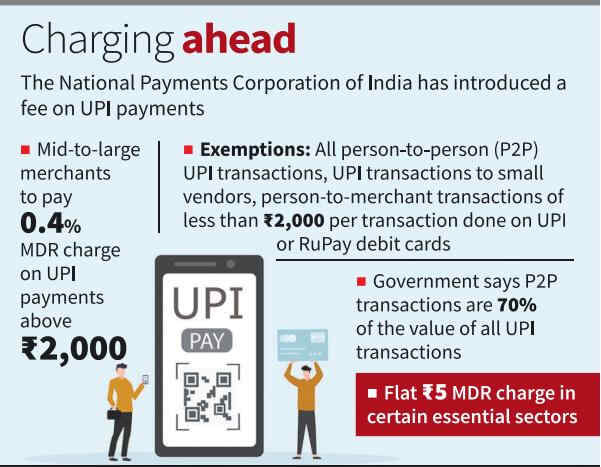
0.4% UPI Fee on Merchant Payments Above ₹2,000
NPCI will charge a 0.4% MDR for UPI merchant transactions above ₹2,000 from 15 October, but peer-to-peer transactions and transactions below ₹2,000 will continue to be free of cost. The architecture is designed to achieve equilibrium between making UPI affordable and ensuring its sustainability. Cost-passing, merchant adoption, and rural penetration are among the challenges.
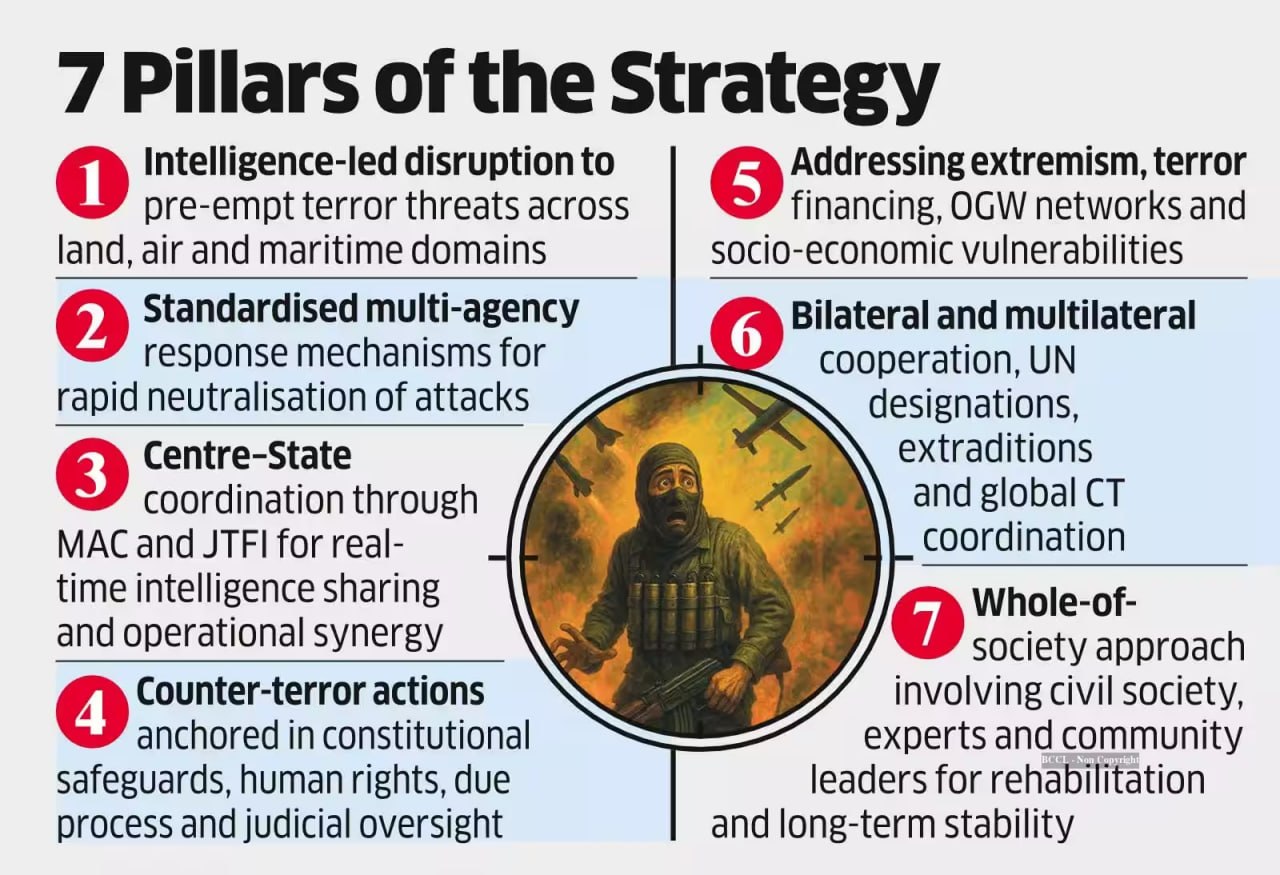
Terror’s changing face, India’s counter-terror strategy
Terrorism has moved from centralised attacks to decentralised attacks aided by technology, leading to a change in India's posture from one of restraint to one of proactive deterrence that includes surgical strikes, Balakot, and Operation Sindoor. The whole-of-government strategy in PRAHAAR (2026) is about network disruption, preventive strategies, de-radicalisation, and disrupting terrorist financing.
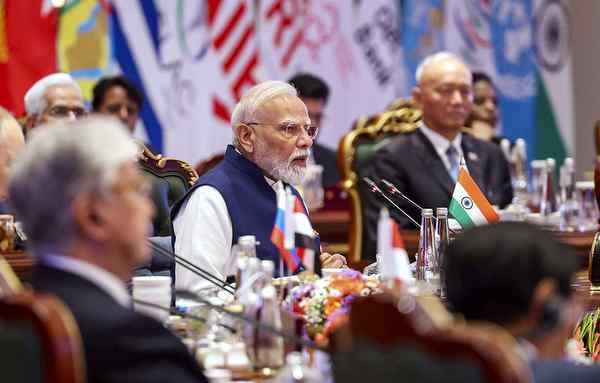
Modi Flags Weaponisation of Technology and Critical Minerals
PM Modi encouraged BRICS to guard against the militarisation of technologies and rare metals and to concentrate on tangible achievements. These include joint health care and disaster warning systems, logistics resilience, startups and MSME collaboration, digital agriculture, smart grids, and energy storage. BRICS needs to consider geopolitical competition, technology imbalance, supply chain reliance, cyber security, and the execution gap.
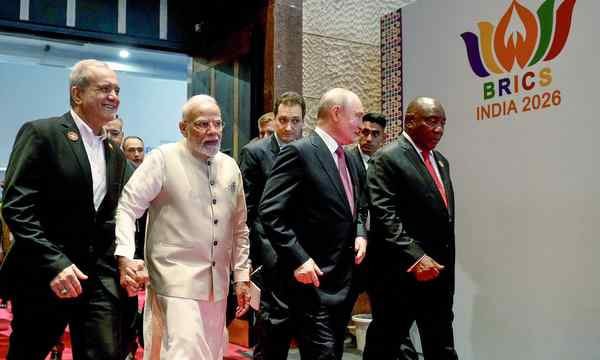
India Builds Economic Bridges Amid Global Trade Barriers
PM Modi at BRICS Business Forum emphasises India building "economic bridges" amid rising trade barriers and maritime disruptions. Focus: freedom of navigation, FTAs, local currency trade, and BRICS cooperation in MSMEs, start-ups, and critical technologies.
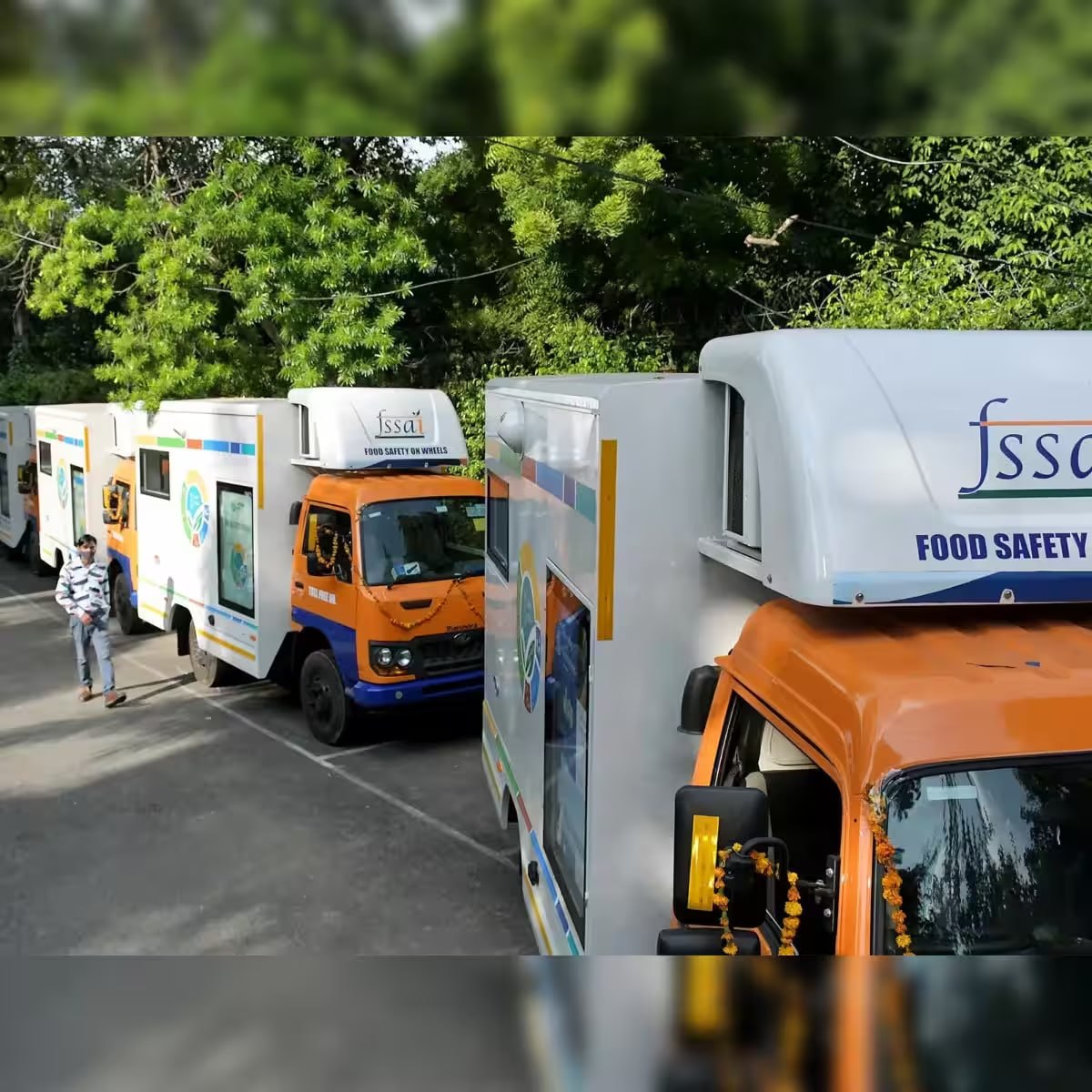
SC Seeks Clarity on FSSAI Warning Label Norms
Supreme Court questions FSSAI on front-of-pack warning label thresholds for high sugar, salt, and fat. FSSAI's red hexagonal proposal lacks clear numerical limits, relying on advisory Dietary Guidelines. Challenges: two-nutrient trigger loophole, unpackaged foods, consumer comprehension.
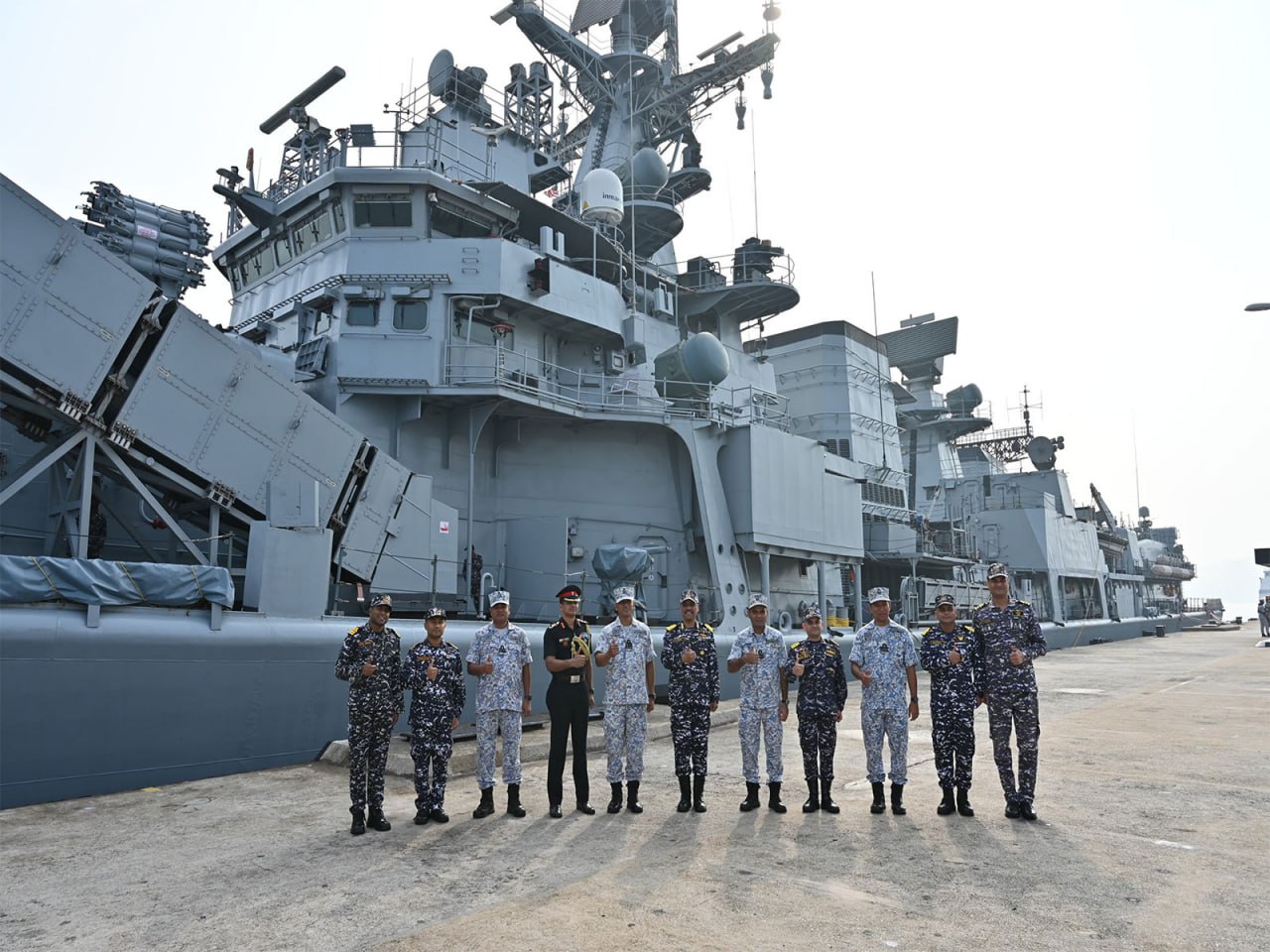
INS Mysore Joins Exercise Samudra Laksamana 2026
INS Mysore participates in Exercise Samudra Laksamana at Lumut, Malaysia—the 4th India-Malaysia bilateral naval exercise. It strengthens maritime interoperability near the Strait of Malacca and supports Act East Policy and Indo-Pacific outreach.
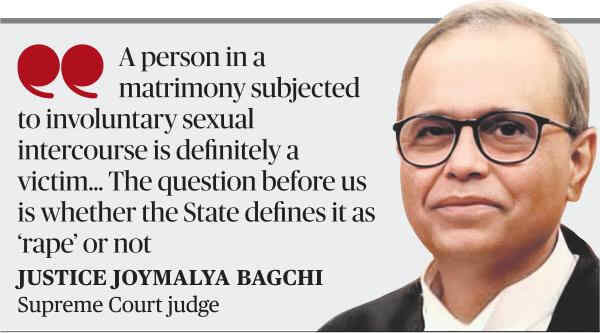
Marital Rape: SC Says Legislature Must Make It Punishable
Supreme Court says Parliament must decide on criminalising marital rape, as IPC/BNS retain a marital exception despite constitutional principles of dignity, equality, and bodily autonomy. Key issues: consent, Article 14 and 21, legislative vs judicial domain.
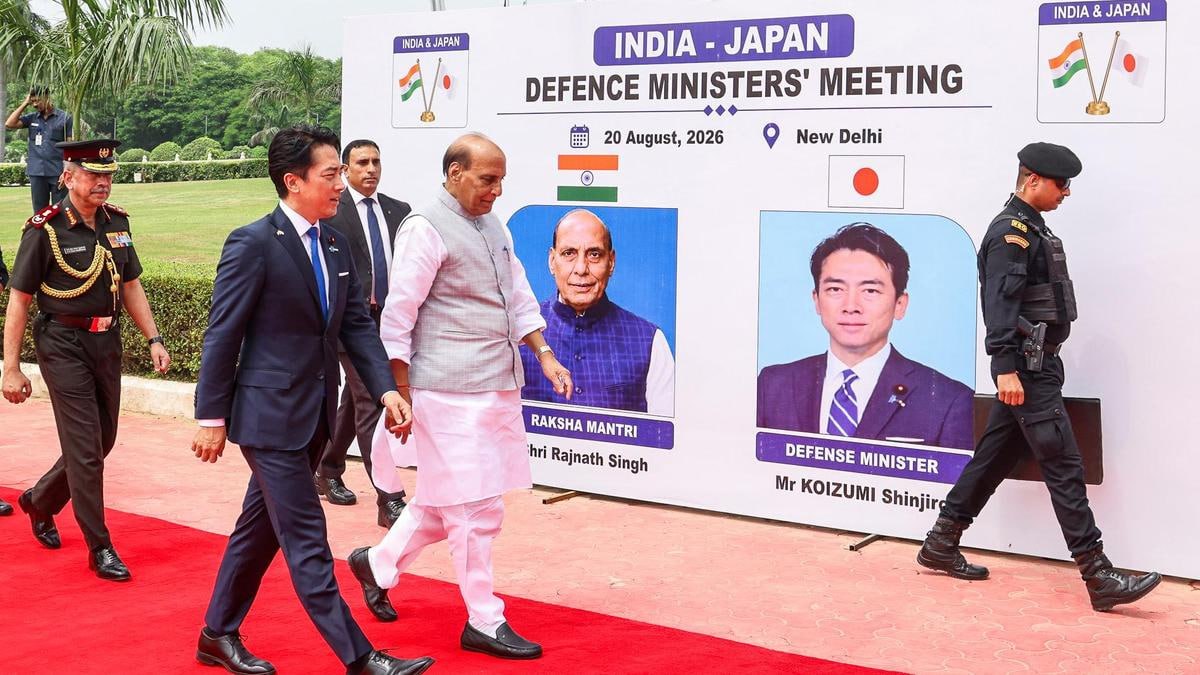
India–Japan Defence Cooperation Breaks New Ground
Indian-Japanese defence cooperation moves ahead with August 2026 ministerial visit, with emphasis on MDA, joint shipbuilding, UNICORN technology, and advanced drills. Partnership goes from convergence to capability. Obstacles: implementation gap, technology transfer, and interoperability.
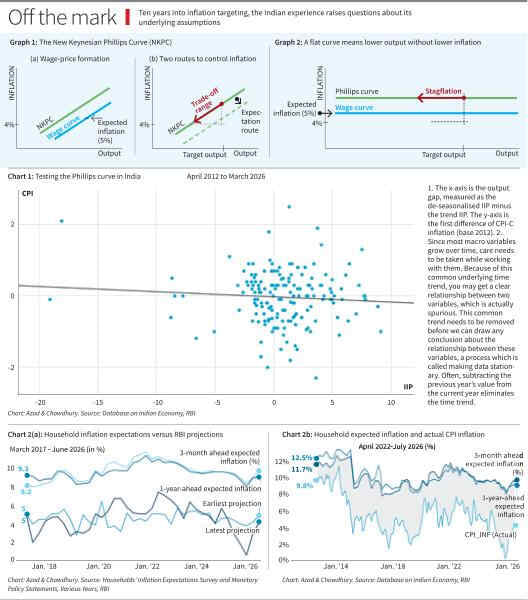
Does Inflation Targeting Work in India? Explained
Inflation Targeting, which is a decade-old framework for India (4% CPI), is facing difficulties due to a flat Phillips curve, unanchored expectations, and supply shocks. Rate increases could negatively impact growth without reducing inflation. Future actions should include monetary policies and supply-side measures, better communication, fiscal coordination, and India-specific models.
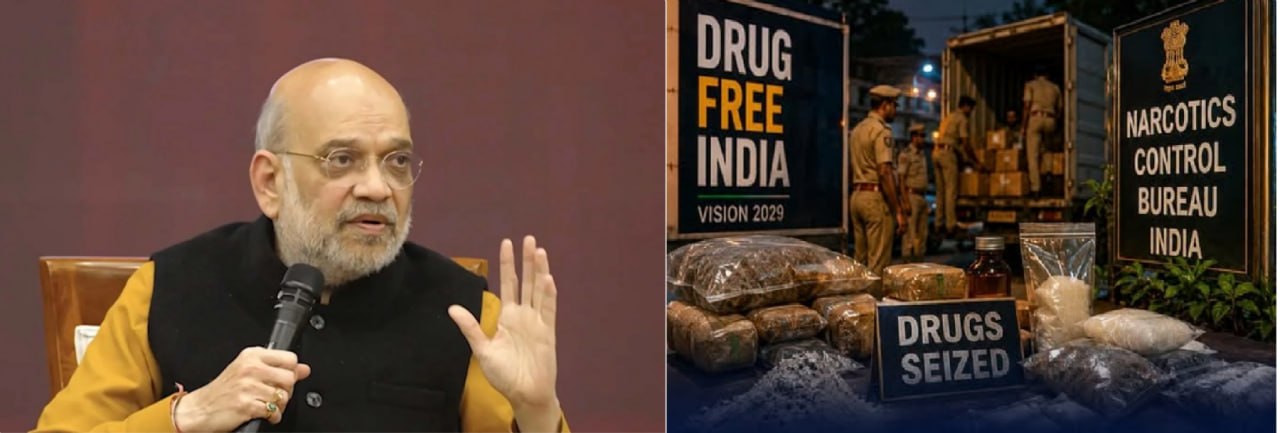
Drug-Free by 2029 Roadmap: Amit Shah
The Minister of Home Affairs unveils roadmap for creating a drug-free India by 2029, covering the full gamut of the drug trade-production, smuggling, consumption, and funding. The approach includes enforcement, rehabilitation, and alternative livelihoods. Challenges include cross-border smuggling, the dark web, and treatment of addicts. The approach involves intelligence gathering, financial targeting, prevention, and technology.
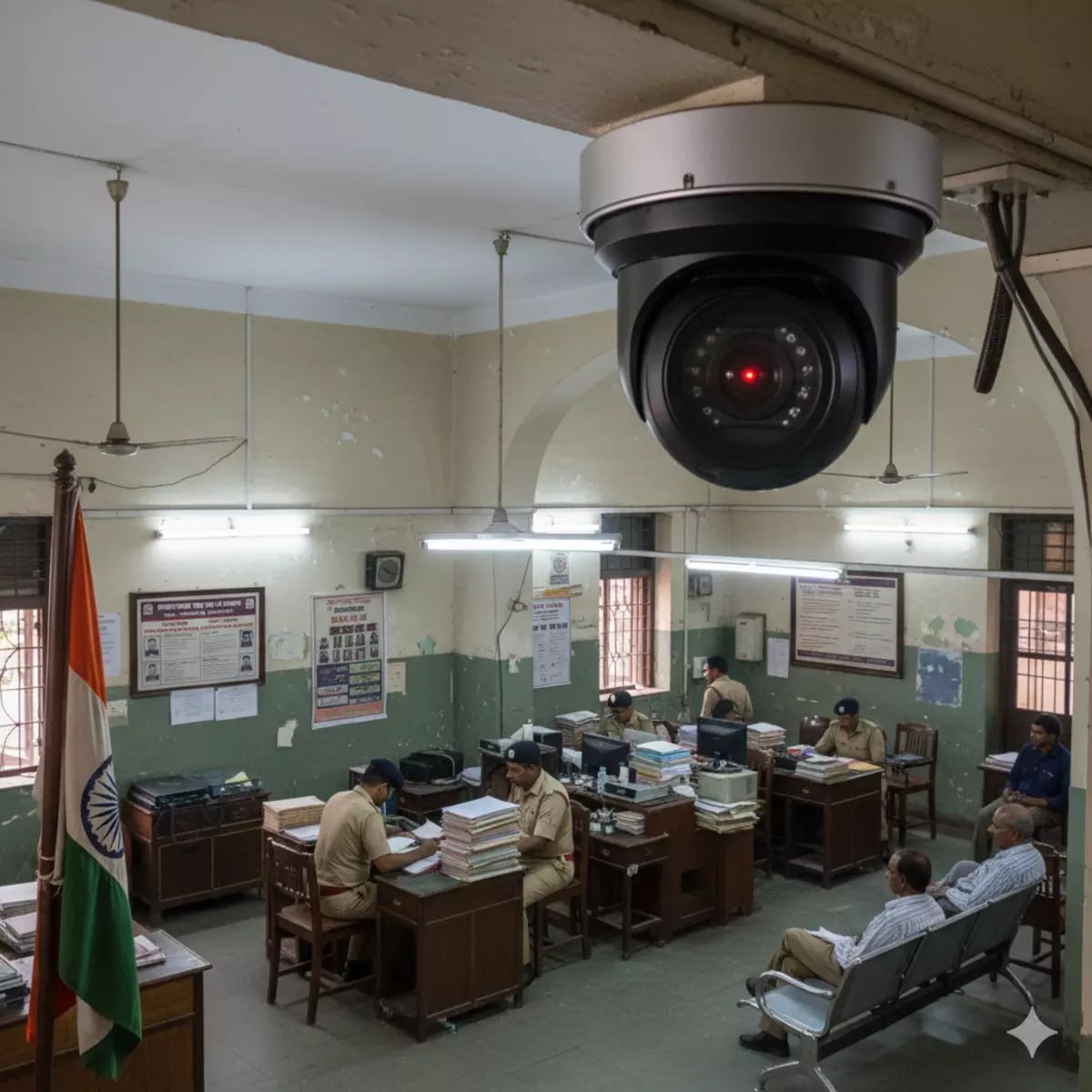
Implementing ₹24,000-crore scheme to modernise police, Centre tells Supreme Court
Centre announces ₹24,000-crore Police Modernisation Mission over five years for State and Central police forces. Supreme Court was informed amid concerns over non-functional CCTV cameras. Challenges: fund underutilisation, maintenance gaps, manpower shortage, and lack of police reforms. Success depends on outcome-based funding, lifecycle maintenance, reforms, and citizen-centric accountability.
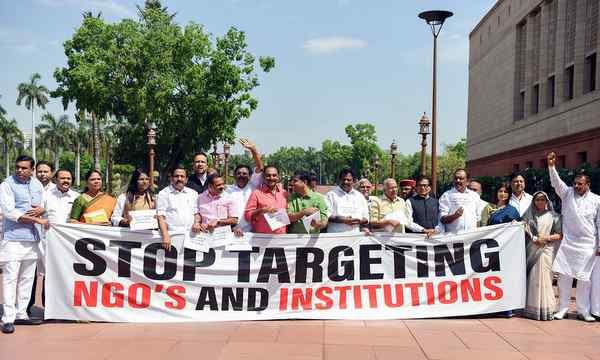
Constitutional Fault Lines in the FCRA Bill Explained
The FCRA Amendment Bill 2026 empowers the government to seize and dispose of the properties of NGOs once their registration is cancelled, and thus there are constitutional issues with executive excesses, proportionality, and institutional independence. The need for balance between national security and individual rights is vital. Way forward: clear guidelines, safeguards, timely action, and judicial supervision.
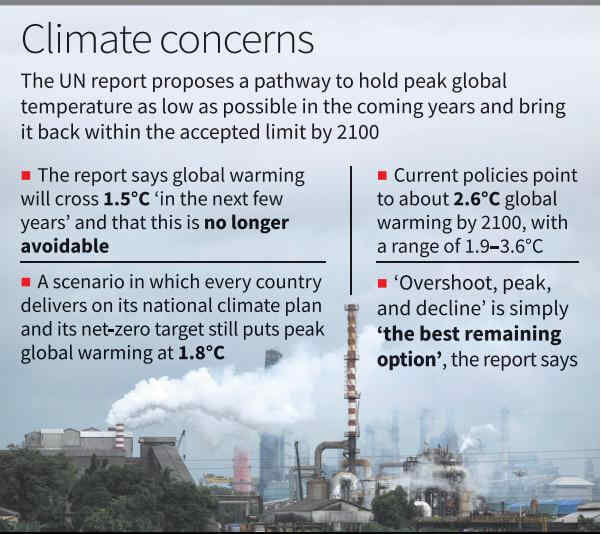
UN sets pathway to tackle ‘inevitable breach’ of the 1.5°C global warming limit
UNEP states that a breach beyond 1.5 degrees Celsius is inevitable and suggests "overshoot, peak and decline" by making deep reductions in greenhouse gas emissions and carbon dioxide removal. Issues faced: tipping points, uncertainty about carbon dioxide removal, climate justice, and complacency. Path forward: shift from fossil fuels, reduce methane, adapt, and climate finance.
GST Revenue Grows 14.8% to Nearly ₹2 Lakh Crore in August
GST collections reached ₹1.998 lakh crore, growing by 14.8%. However, several concerns remain: domestic growth at 9.3% is lower than import growth of 29%, while refunds have increased by 72.6%. The inverted structure of the GST duties is still a concern. Moving ahead, rate rationalisation and compliance are needed.

Over 7,200 CBI cases under Prevention of Corruption Act pending trial, says CVC report
Over 7,200 cases of corruption against CBI await trial, with more than 400 cases awaiting more than 20 years. In addition, 14,083 cases of appeal create additional delays. Though there is a very high rate of conviction amounting to 71.71%, long-drawn litigation reduces the effectiveness of the deterrence process.
The Broken Promise of Right to Work in India
Rural employment has decreased by 68 per cent following the replacement of MGNREGA by the VB-GRAM G Act, which restricts funding, decouples the wages paid from the minimum wage level, and permits denotification of the area. The Supreme Court raised doubts as to whether the right to work is a fundamental right under Article 21.
Navy Commissions INS Nipun for Advanced Underwater Operations
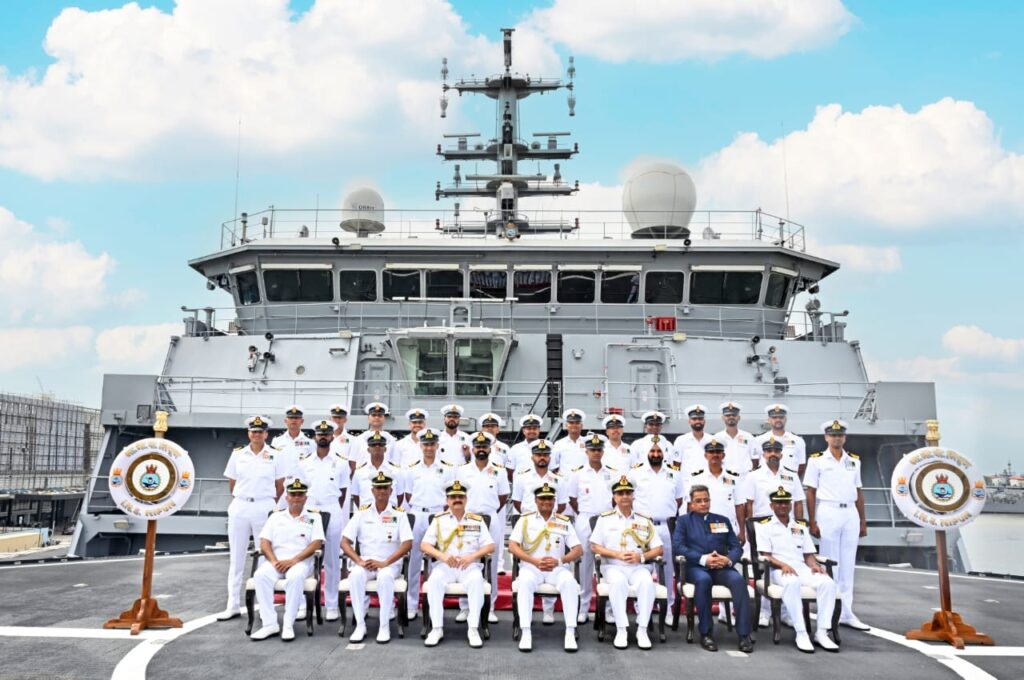
India has built INS Nipun, which is an indigenously built Diving Support and Submarine Rescue Vessel that will help in underwater rescue and salvage as well as Humanitarian Assistance and Disaster Relief (HADR). This vessel can help in carrying out operations related to DSRVs The challenges involved include rescue times, compatibility, and manning.